
Last updated October 15, 2026
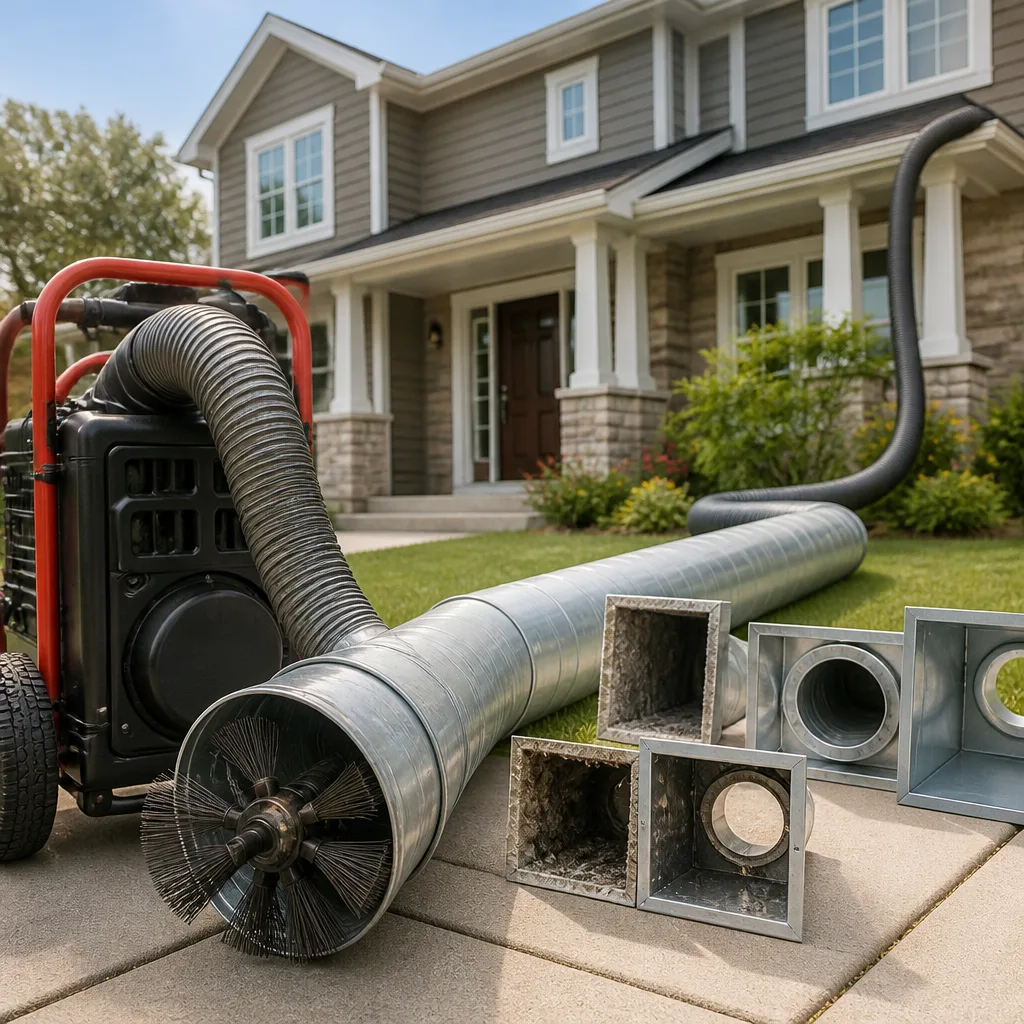 Whole-home duct cleaning
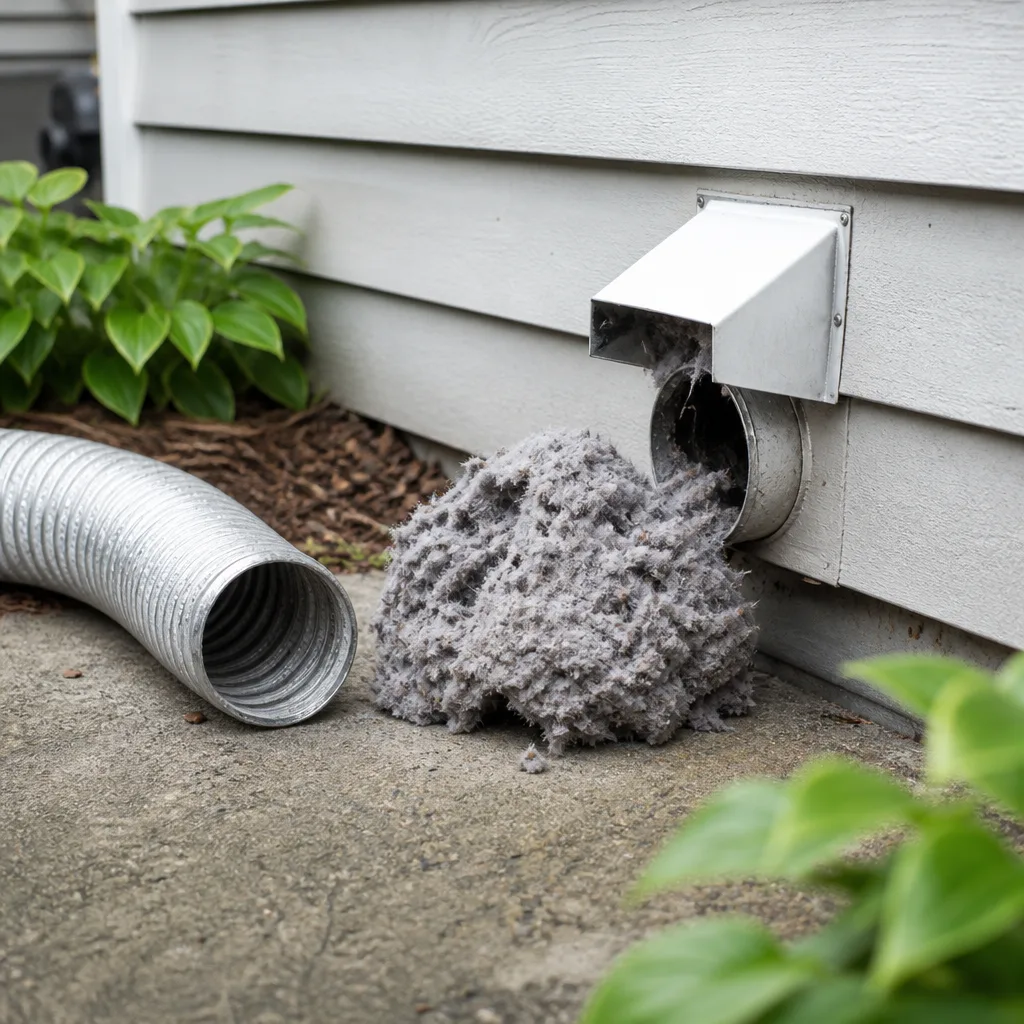 Dryer vent cleaning
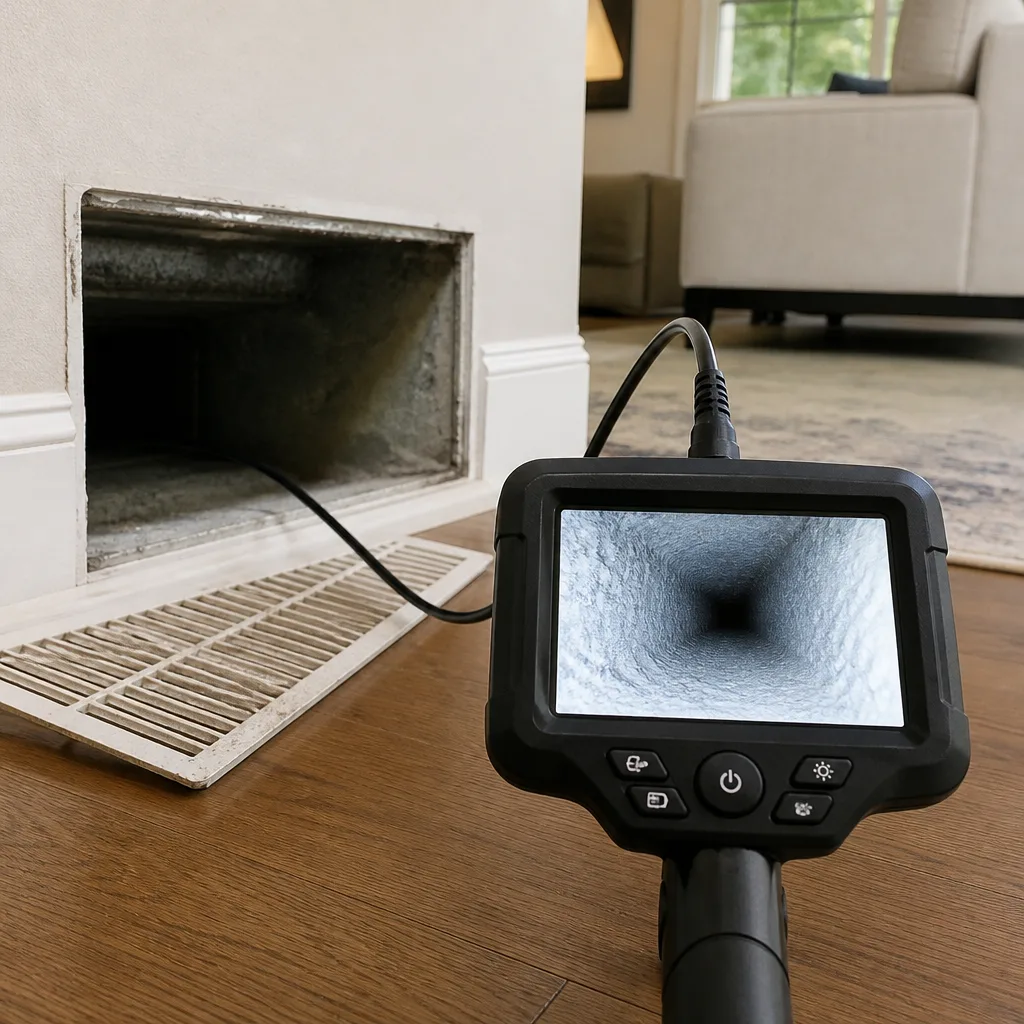 Camera inspection
 Sanitizing & deodorizing
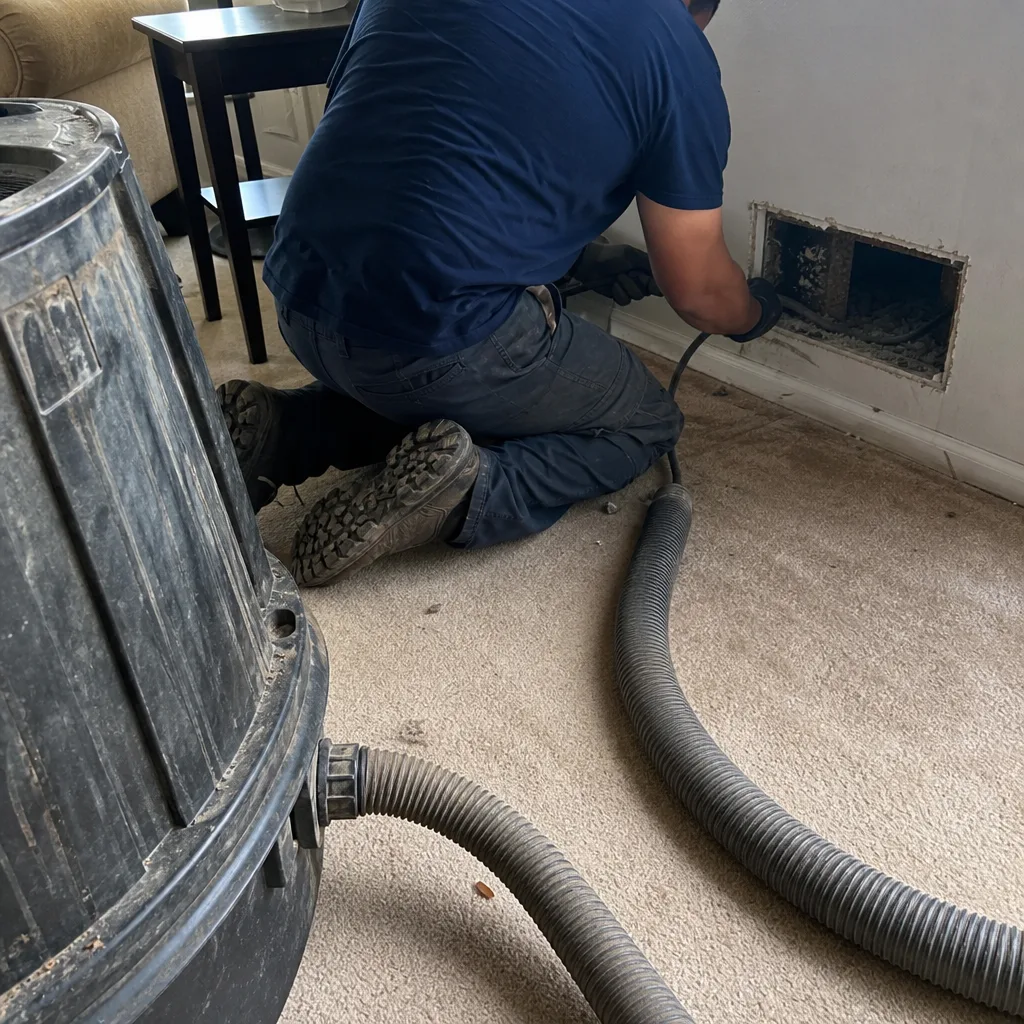
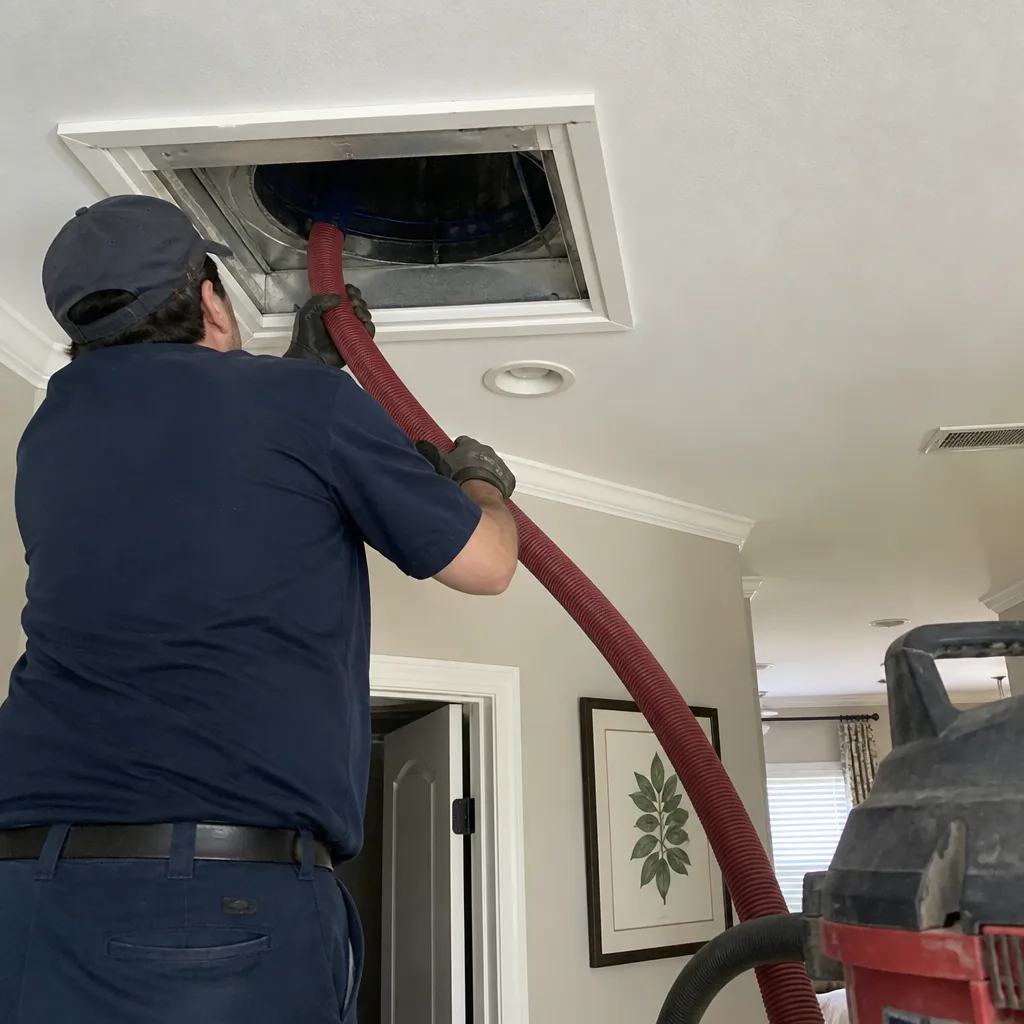
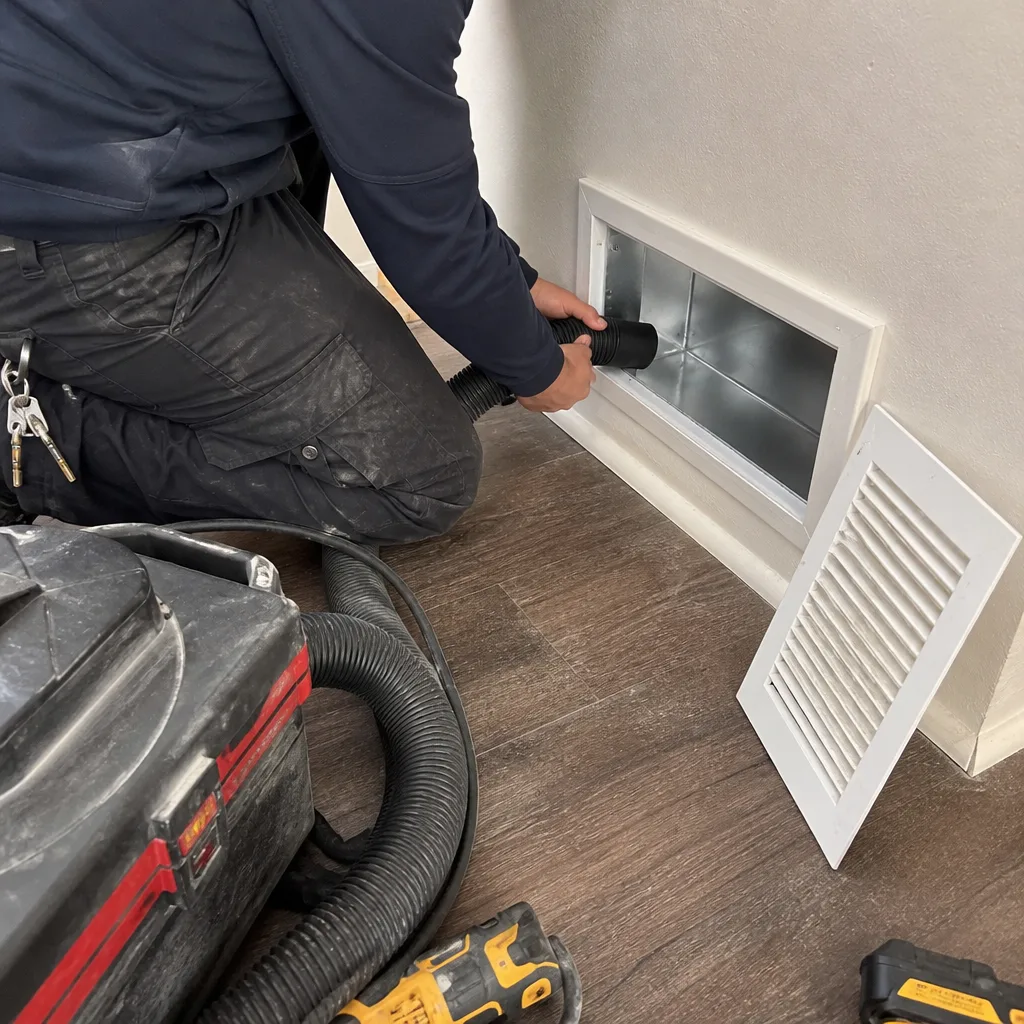
Whole-system duct and dryer vent check with before-and-after photos - you see exactly what came out of your vents
That "$99 whole-house special" is a bait ad - the real number appears once they are in your hallway, or the "clean" is a shop-vac at the register. We photograph the inside of your ducts before and after instead.
Seasonal Air Duct Cleaning Care for Marietta: Year-Round Homeowner’s Guide
Marietta gets 55 inches of rain a year. For your air ducts, that number matters more than any national average a generic maintenance article will quote you. High rainfall means elevated indoor humidity. Elevated humidity means dust turns to sludge inside ductwork, filter media clogs faster, and dormant mold spores sitting in your returns get exactly what they need to activate. This guide lays out a seasonal maintenance calendar built for Marietta’s actual climate, so a ten-minute quarterly check catches problems before they become a $600 emergency call.
Quick Answer
Seasonal air duct care in Marietta means four distinct checkpoints per year. In spring, run a MERV 11 filter and watch for pollen bypass. In summer, check supply vents for condensation and keep indoor humidity below 60%. In fall, do a smell-test on first heat and inspect for critter entry. In winter, vacuum your return grilles monthly and book a baseline Air Duct Cleaning in February before spring pollen hits.
Styles & brands we work with
Table of Contents
- Spring: Pollen Bypass and the Filter Upgrade
- Summer: Humidity, Condensation, and Mold Conditions
- Fall: First Heat-On, Smell Tests, and Critter Inspections
- Winter: Dust Settlement and the February Baseline Cleaning
- The One-Page Marietta Seasonal Duct Care Calendar
- Common Mistakes to Avoid
- When to Call a Professional
- Frequently Asked Questions
Spring: Pollen Bypass and the Filter Upgrade
Marietta’s spring pollen season runs from roughly mid-February through May, peaking in late March and early April when oak, pine, and sweetgum all release at once. If you park your car outside during that window, you already know what the windshield looks like. The same yellow-green film is moving through your return air. Your filter is the only barrier between that pollen cloud and every surface inside your home.
The spring duct maintenance task in Marietta is not cleaning your ducts. It is protecting them from a fresh load of biological debris. Here is what that looks like in practice.
- Upgrade to a MERV 11 filter in late February. MERV stands for Minimum Efficiency Reporting Value. A MERV 8 filter, the default in most homes, catches about 70% of particles in the 3-10 micron range. MERV 11 catches roughly 85%, including a meaningful share of tree pollen, which runs 10-100 microns. The tradeoff is airflow. Have your HVAC tech confirm your blower handles the added resistance. In our experience with Cobb County homes, systems under ten years old handle MERV 11 without a measurable efficiency drop.
- Check the filter weekly during April. A filter plugged with pollen forces air around the filter media and straight into your duct runs. That is the exact mechanism that turns a spring pollen event into a full-duct cleaning need. Hold the filter up to a light. If you cannot see the bulb through the media, replace it, even if the calendar says it should last 90 days.
- Wipe down return grilles with a damp cloth. Pollen sticks to the louvers of floor and wall returns. Every time the blower cycles, that pollen works its way past the filter frame and into the return boot. A two-minute wipe each Sunday in April prevents a slow accumulation that becomes permanent.
This is the highest-risk season for duct contamination in Marietta, and it is the season most homeowners do nothing until a family member’s allergies tick up. The fix is cheap. The failure is not.
If you do spring cleaning and still smell or see dust coming from your supply vents, that is a sign pollen bypassed your filtration setup at some point. That is the moment to read more about Air Duct Cleaning in Marietta and understand what a full service actually includes.
Summer: Humidity, Condensation, and Mold Conditions
Marietta summers run hot and wet. Dew points in July regularly sit in the low 70s, which means the air itself is carrying enough moisture to feel sticky on your skin. Inside your ducts, that same moisture becomes the single biggest seasonal risk factor for biological growth.
Mold inside ductwork needs two things: organic material, which is always present in the form of household dust and skin cells, and sustained moisture above 60% relative humidity. The moisture comes from one of two sources in a Marietta summer. Either humid outdoor air is being pulled into the return side of your system through gaps and leaks, or condensation is forming on the outside of supply ducts that run through unconditioned attics and crawlspaces.
The Two-Minute Moisture Check Any Homeowner Can Do
- On a hot afternoon, run your hand along the exterior of any exposed ductwork in your attic or crawlspace. If the surface feels damp or there are visible water beads, that is condensation. The duct is cold, the surrounding air is hot and humid, and the resulting moisture is soaking into insulation.
- Check floor registers in rooms closest to the attic access. Look for dark spotting or streaking on the metal register face. That is often not dust. It is microbial staining from moisture that has wicked back from the boot.
- Check for a musty smell that only appears when the AC runs. That smell tells you there is active biological growth somewhere in the system, because the cold coil air is picking up organic compounds and distributing them through the house.
If any of those three checks comes back positive, do not wait. A professional HVAC Cleaning in Marietta service includes coil cleaning and full duct cleaning, and it addresses the root condition, not just the symptom.
The prevention side of summer humidity is simpler than most people assume. Keep your system’s condensate drain line clear. That white PVC pipe near your indoor air handler is the exit route for moisture the AC pulls out of your air. When it clogs with algae and dust, the pan overflows, and that water goes somewhere. Often that somewhere is onto the plenum and into the duct below it. Pour a cup of white vinegar down the line once a month from May through September. It is not a full substitute for professional drain maintenance, but it keeps the line flowing between visits.
Fall: First Heat-On, Smell Tests, and Critter Inspections
The first cold snap in Marietta usually arrives in late October or early November. That first morning you switch the thermostat from Cool to Heat is the single best diagnostic moment of the year, and most homeowners let it pass without paying attention.
Here is why that moment matters. For six or seven months, your furnace has been dormant. Dust has settled into the heat exchanger and the burners. If any critters found their way into your duct system during summer, that is when the evidence becomes obvious. And any dust that accumulated on the heat exchanger gets its first chance to burn off in one concentrated burst.
The First Heat-On Checklist
- Stand near a supply vent during the first heat cycle. A dusty or acrid smell in the first few minutes is normal and typically clears. A smell that persists past ten minutes is not. Persistent burning smells mean dust has built up on the heat exchanger or inside the supply run, and a professional cleaning is warranted before the heating season ramps up.
- Listen for scratching, rustling, or scurrying when the blower kicks on. Mice, squirrels, and even roaches move into ductwork during warm months when the system sits idle. Rodents in Marietta attics are a near-constant in older homes around the Square and out toward East Cobb. A season of droppings, nesting material, and dander in your ducts is a health issue and a smell issue. Get it addressed before you pressurize the system all winter and push that air through every room.
- Check your outside vent terminations. Dryer vents, bathroom exhaust vents, and combustion air intakes are the entry points critters use. Walk the exterior of the house once in October and make sure covers are intact and gaps are sealed.
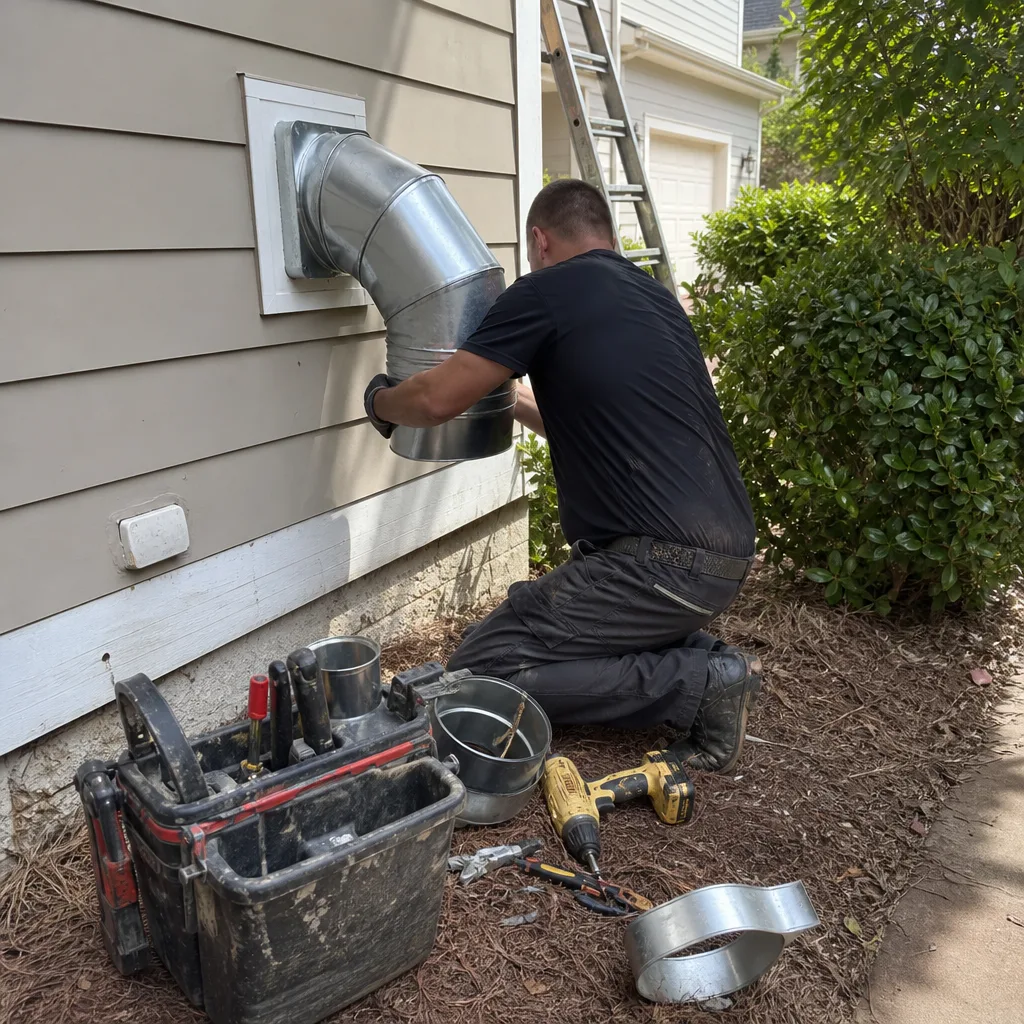
This is also the right time to have your Dryer Vent Cleaning in Marietta done, before winter holiday laundry and closed windows turn a clogged vent into a house fire risk. Lint accumulation plus a heating cycle is a dangerous combination, and fall is when the risk compounds.
One more item for fall. If you run your AC right up until that first heat call, there is no “resting” period for the system. Cooling mode pulls moisture out of the air all summer, and that moisture exits through the drain. Heating mode dries the air out. The transition between those two modes is when loose debris inside your ducts is most likely to move. A smell test in October tells you more about your duct condition than any visual inspection through a floor register.
Winter: Dust Settlement and the February Baseline Cleaning
Winter in Marietta is the neglected season for duct care, and that neglect is exactly why February matters. Temperatures are moderate by national standards, heating usage is intermittent, and the system gets long stretches of low-flow operation. During those low-use periods, air barely moves through the duct walls. Fine dust, pet dander, and dead skin cells settle into the bottom of trunk lines and branch runs.
That settled dust is not circulating, which means you do not see or smell it. Then March hits. The system switches back to cooling mode. Air velocity jumps. And every bit of that winter settlement gets picked up and pushed into your living spaces at exactly the same time as the pollen season peaks.
The solution is a February baseline cleaning. Here is the logic in practical terms.
- A February cleaning removes the winter dust layer before it can mobilize. You start spring with the cleanest possible system, not the dirtiest.
- It gives you a clean inspection point. Any new dust or biological material that appears during spring and summer can be attributed to a current season, not to years of accumulation.
- It breaks the reactive cycle. Most homeowners call for duct cleaning in April when allergies get bad. By then, demand is high and the system is already actively distributing the problem. A February cleaning means you are ahead of the issue, not chasing it.
During winter months, you should also vacuum your return grilles once a month. Floor returns collect everything: pet hair, dust, tracked-in dirt. Vacuuming the grille face and the visible portion of the return boot keeps that material out of the filter housing. It is a five-minute task that extends filter life and keeps airflow consistent.
If your home has a crawlspace foundation, winter is also worth a quick look at the flex duct runs underneath. Marietta’s winter rain saturates the ground, and standing water under a home drives humidity up into the crawlspace and into any ductwork with gaps. Look for sagging flex runs touching wet ground, and check for standing water after extended rain. This is a place where a Cardinal Air Duct Marietta home visit includes a full system inspection, not just the interior runs you can see.
The One-Page Marietta Seasonal Duct Care Calendar
This calendar is built for Marietta climate data, not a national average. Print it, stick it on the fridge, and run the checklist each season. Every task listed takes under ten minutes. Every task catches a problem that costs real money if missed.
- Late February: Install MERV 11 filter. Run condensate line cleaner through the drain. Schedule baseline duct cleaning if you have not had one in 3+ years.
- March – April: Check filter weekly. Wipe return grilles every Sunday. Watch for visible dust on supply registers. Replace filter when light-block test fails, regardless of rated life.
- May: Switch back to MERV 8 if allergy symptoms are controlled, to reduce system strain through cooling season. Clear condensate line with vinegar.
- June – August: Monthly drain line vinegar treatment. Check attic ducts for condensation after heavy rain. Watch for musty smells on AC startup.
- September: Inspect return and supply vents for visible dust accumulation from summer. Schedule HVAC cleaning if moisture or microbial growth was observed in summer.
- October: First heat-on smell test. Listen for critter activity in ductwork. Walk exterior to check vent terminations. Book dryer vent cleaning before holiday laundry season.
- November – January: Vacuum return grilles monthly. Check crawlspace for standing water and sagging ducts after heavy rains. Monitor humidity with a $10 hygrometer and keep it below 60%.
Common Mistakes to Avoid
- Assuming a filter change is duct cleaning. The filter protects the equipment. It does not clean the ductwork. A filter catches airborne particles as air passes through. Dust already inside the ducts stays inside the ducts until it is physically removed.
- Running a MERV 13 filter because someone on the internet said so. MERV 13 is a hospital-grade filter with significant airflow resistance. Most residential blowers struggle with it, and the result is reduced efficiency, higher utility bills, and worse circulation. MERV 11 is the sweet spot for Marietta homes during pollen season.
- Ignoring a musty smell that only appears when the AC runs. That smell is not normal and it does not “clear up on its own.” It indicates moisture in the system, which creates conditions for mold. The longer it waits, the more extensive the remediation.
- Cleaning ducts in peak allergy season as a first response. If allergies are flaring, a duct cleaning provides temporary relief at best. The underlying issue is usually filter bypass, which is a filtration problem, not a cleanliness problem. Fix the filter first, then clean if the dust level warrants it.
- Using a furnace filter that says “3-month” and actually waiting 3 months to check it. During Marietta’s March-April pollen peak, a filter can clog in two weeks. The calendar on the packaging is a national average. Your eyes are the real test.
- Forgetting the dryer vent is a duct system too. It runs on the same seasonal logic. Winter lint buildup plus holiday laundry is a fire risk. Fall cleaning is the standard in this trade for good reason.
- Sealing your crawlspace vents in winter without addressing the moisture source. Encapsulation works, but only after the water entry points are addressed. Sealing vents over a wet crawlspace just traps the moisture and drives humidity into your home and ductwork.
When to Call a Professional
Some situations call for trained eyes and professional equipment. If you find visible mold on any interior duct surface, get a professional assessment before running your system. If you suspect rodent or pest activity in the ductwork, do not attempt to clean it yourself; the contamination is biological and requires containment protocols. If you notice a persistent burning smell during heat cycles that does not clear within ten minutes, shut the system down and call. If your system has never been professionally cleaned and you have lived in your Marietta home more than five years with pets, you are overdue for a baseline service. Check our guide on Air Duct Cleaning Permits, Codes & Inspections in GA: What You Need to Know before scheduling. Cardinal Air Duct Marietta offers free estimates throughout Marietta and Cobb County. Call (762) 216-4075 for a real person and a real number before any work begins.
Frequently Asked Questions
Every 3 to 5 years for most Marietta homes, more frequently if you have pets that shed heavily, recent renovations, or family members with significant allergy or respiratory conditions. Homes near active construction in developments off Barrett Parkway or Dallas Highway tend to need more frequent cleaning due to higher ambient dust loads.
A MERV 11 filter is the right balance of filtration and airflow for most residential systems during Marietta’s February-May pollen season. It captures a meaningful portion of tree pollen while keeping airflow within what most blowers handle without strain. Switch back to MERV 8 once peak pollen passes.
Duct cleaning removes accumulated dust, pollen, and dander that may be re-entering your living space each cycle, which can reduce allergy symptoms when combined with a proper filtration strategy. Cleaning alone will not solve allergies if pollen is bypassing a clogged or poorly fitted filter. The two interventions work together.
That smell means moisture is present somewhere in the system, typically on the evaporator coil or inside duct runs that pass through humid attic or crawlspace air. It indicates biological growth is already occurring and feeding on organic material in the system. A professional HVAC cleaning addresses both the growth and the moisture source.
Most standard whole-home air duct cleanings in Marietta run roughly $350 to $600 depending on home size, number of systems, and accessibility. Homes with two HVAC systems or extensive crawlspace runs land on the higher end. The most important variable is not price, it is whether the price you are quoted is the price you pay. Written pricing before any work starts is the only way to know. Call (762) 216-4075 for an exact quote, with no obligation.
Homeowners can and should handle maintenance tasks like vacuuming return grilles, changing filters, and clearing condensate lines. Full duct cleaning requires professional equipment including rotary brush systems like Rotobrush, HEPA-rated negative-pressure extraction like Nikro units, and containment protocols from brands like Abatement Technologies. A shop vac and a YouTube tutorial are not a substitute, and incomplete cleaning can loosen debris that then circulates through the house.
The Bottom Line
Marietta homeowners who run a quarterly duct maintenance checklist spend less on emergency repairs and breathe better air than those who react to problems after they appear. Spring is about protecting the system from pollen. Summer is about moisture control and watching for condensation. Fall is about the diagnostic power of first heat-on and critter inspection. Winter is about dust settlement and proactive baseline cleaning. Ten minutes per season, a disciplined filter habit, and a professional cleaning every few years is the whole system. For more guides & resources on keeping your home’s air clean, explore our blog. The climate in Marietta is what it is; whether your ducts hold up to it is a choice.
Written by Omar Haddad, Owner at Cardinal Air Duct Marietta, serving Marietta since 2005.
See the difference
 Before
 After
After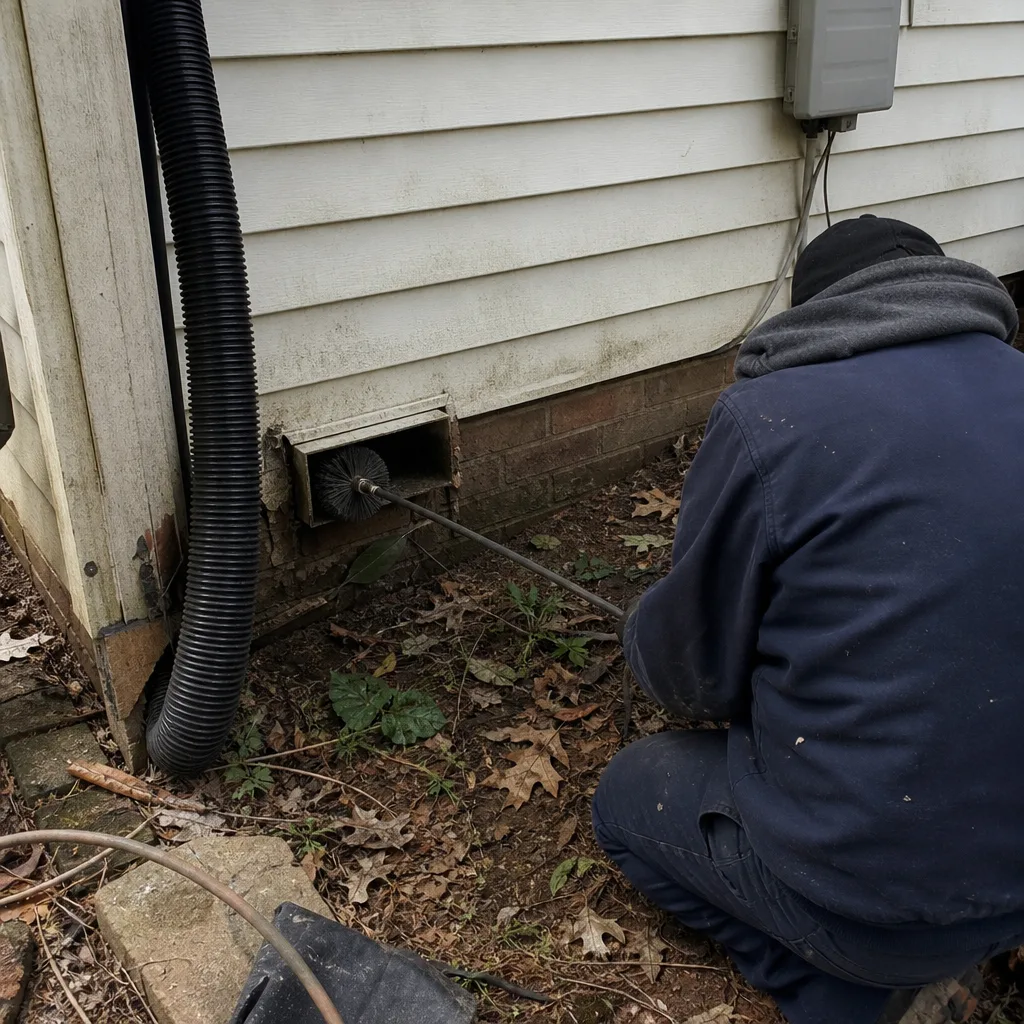 Before
 After
After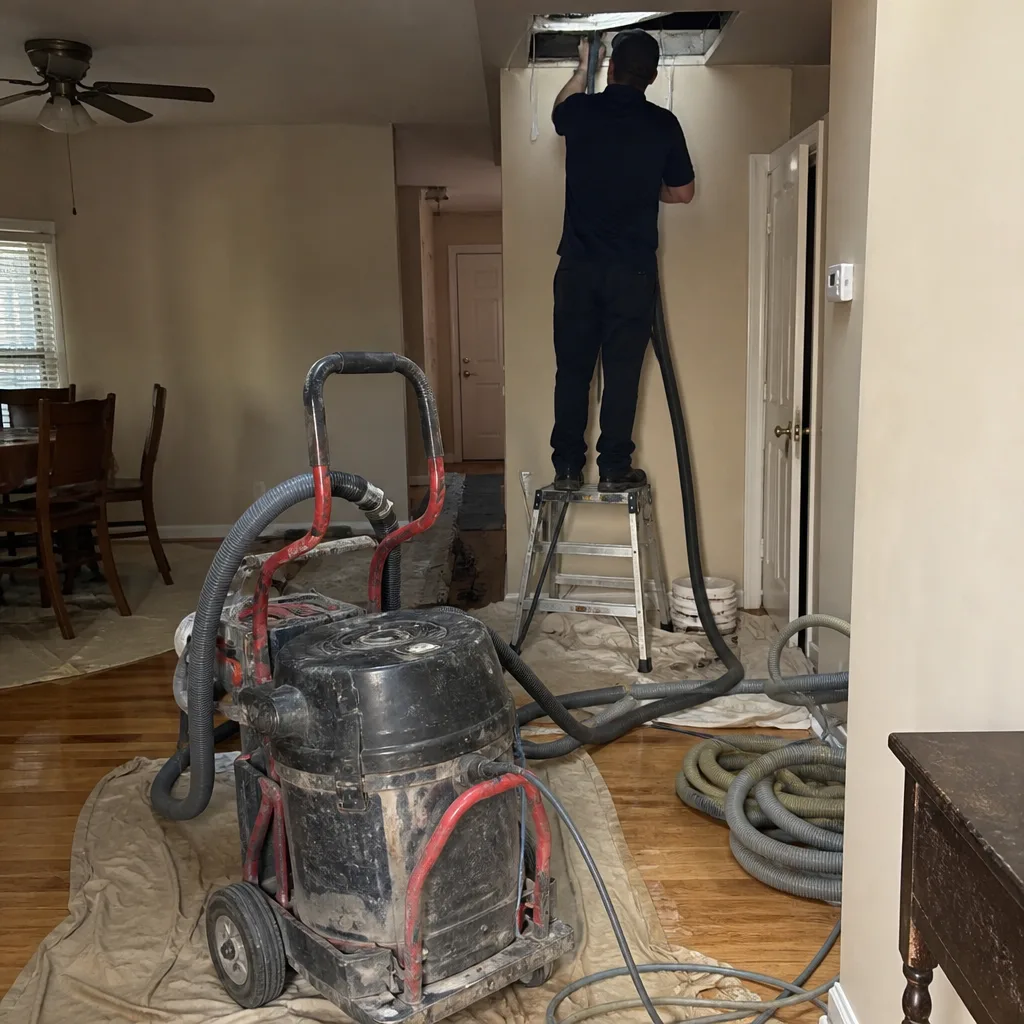 Before
 After
After