
Last updated October 15, 2026
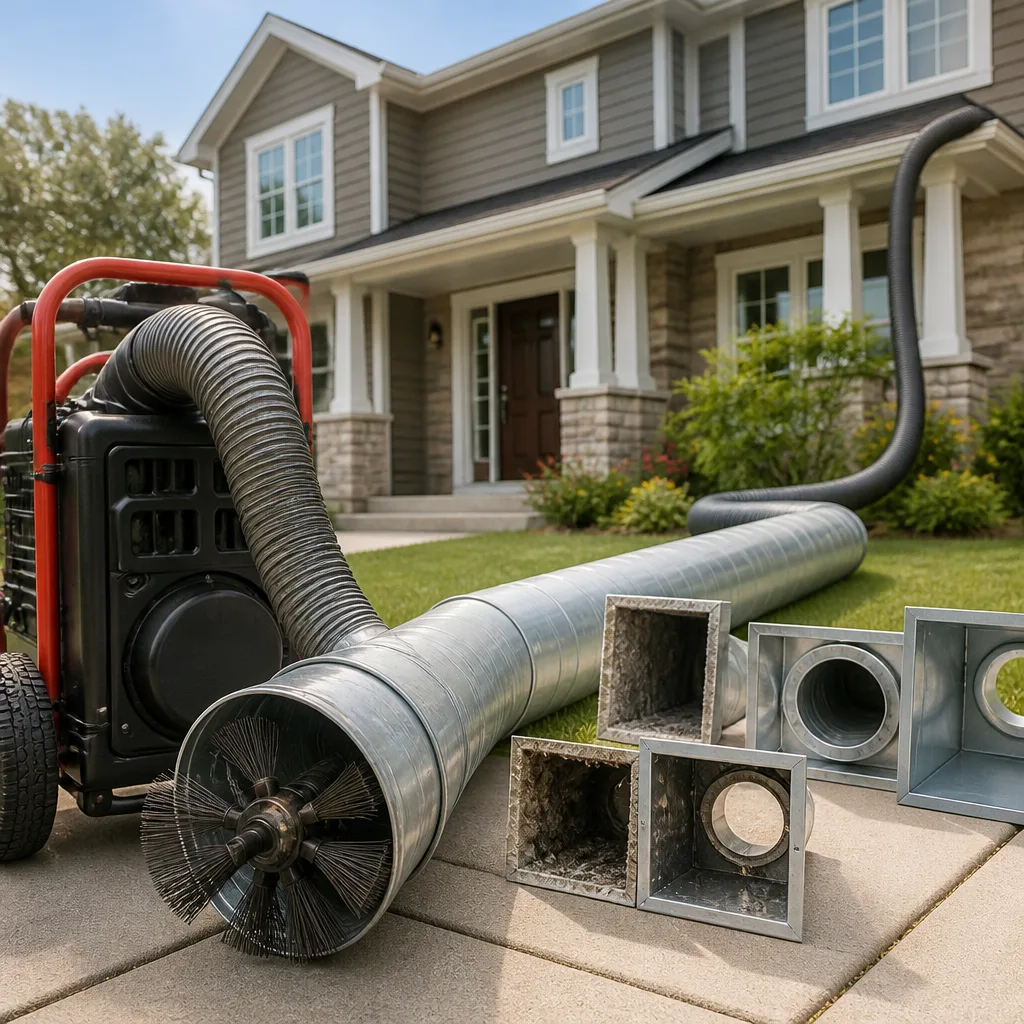 Whole-home duct cleaning
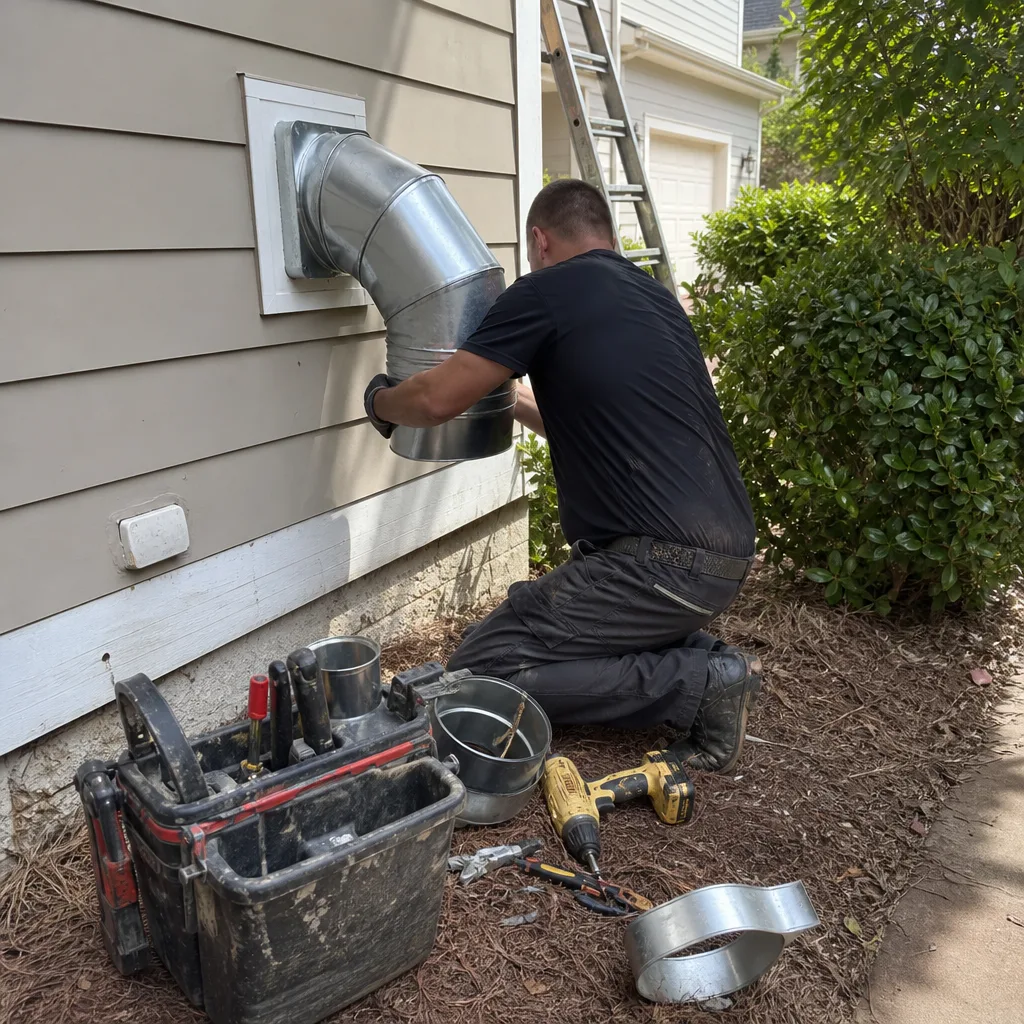
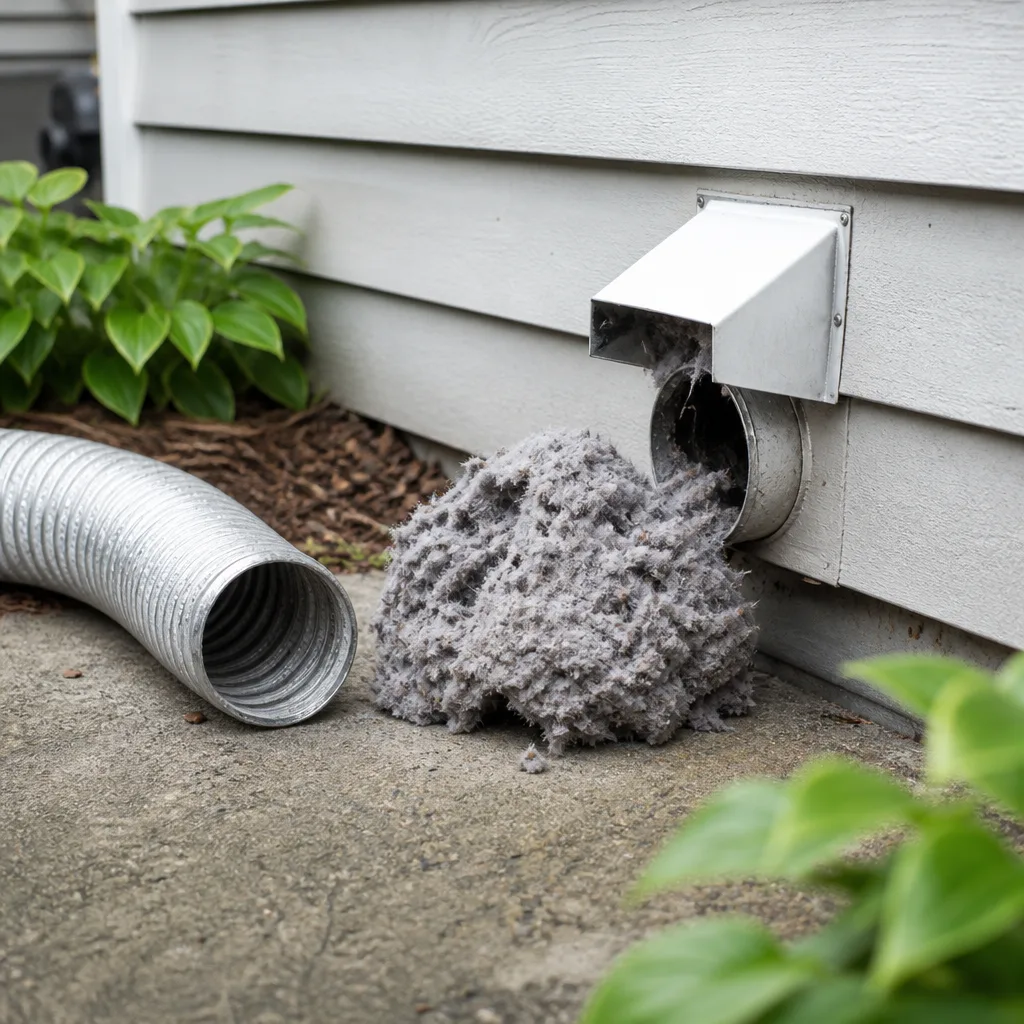 Dryer vent cleaning
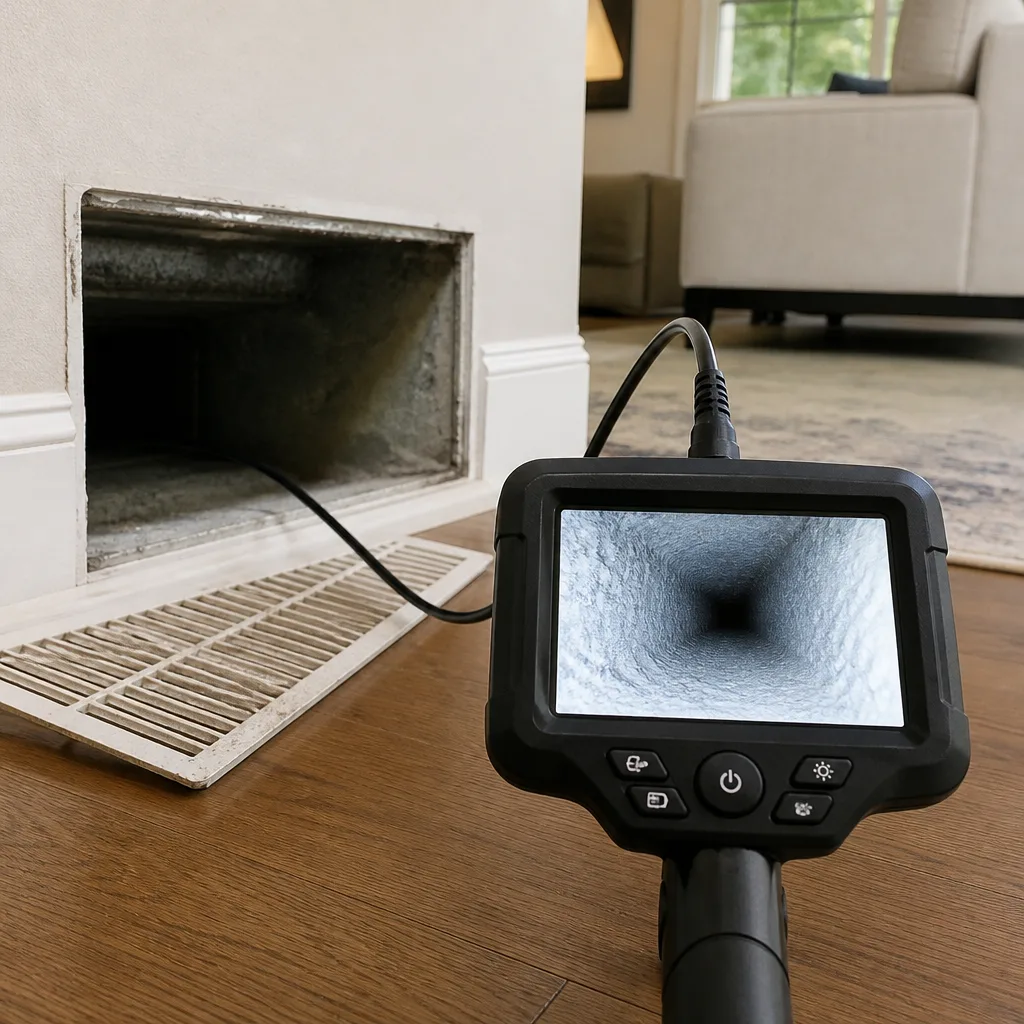 Camera inspection
 Sanitizing & deodorizing
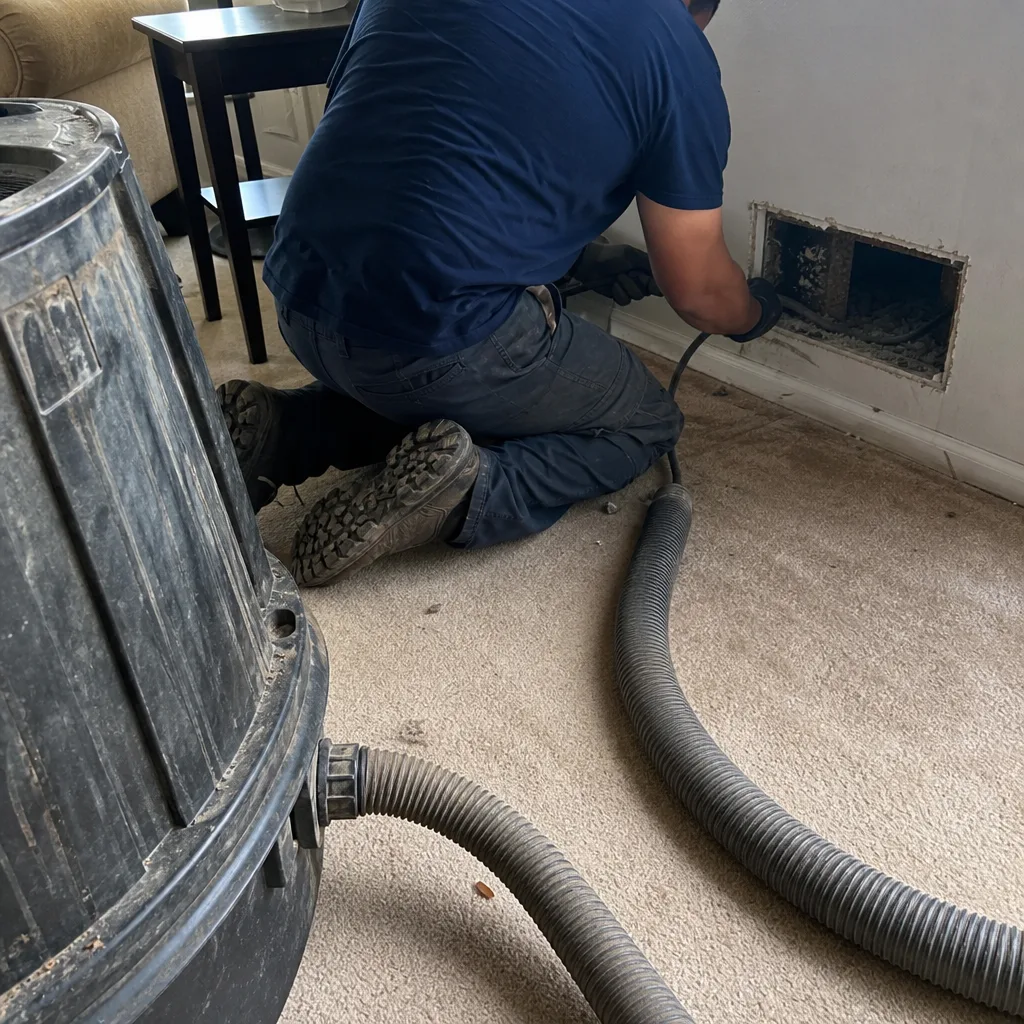
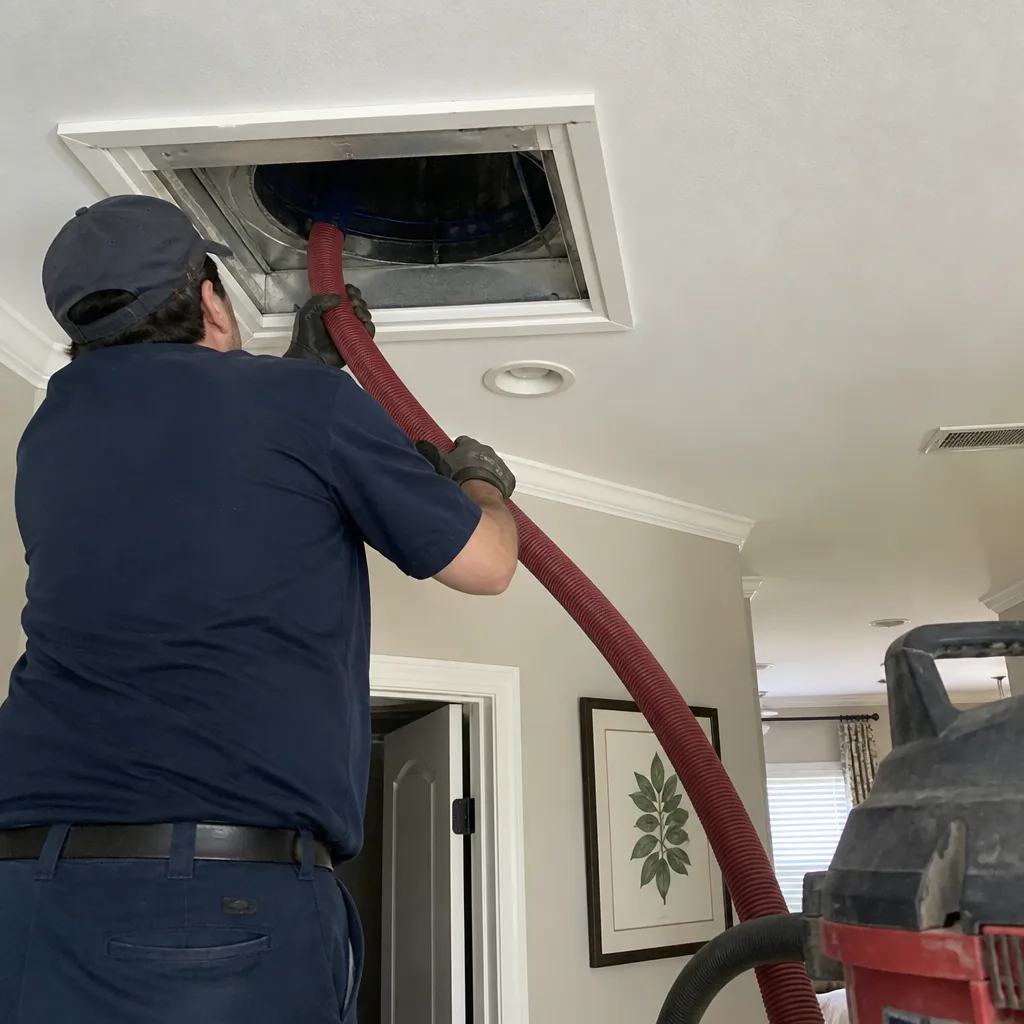
Whole-system duct and dryer vent check with before-and-after photos - you see exactly what came out of your vents
That "$99 whole-house special" is a bait ad - the real number appears once they are in your hallway, or the "clean" is a shop-vac at the register. We photograph the inside of your ducts before and after instead.
DIY vs Professional Air Duct Cleaning: The Marietta Homeowner’s Decision Guide
Here’s something most more guides & resources in Marietta won’t tell you: that $30 brush kit you saw online does actually work, but only for one specific type of job. A straight 6-foot dryer vent run? Absolutely. The 18-foot main trunk line running through your Marietta crawlspace with two elbows and a transition collar? It doesn’t stand a chance. This guide breaks down exactly where DIY duct cleaning ends and professional equipment begins, so you can spend money where it actually solves a problem instead of where it just feels productive.
Styles & brands we work with
Quick Answer
DIY duct cleaning is genuinely useful for single straight dryer vent runs, surface register cleaning, and routine filter replacement in Marietta homes. It is not effective for cleaning the main supply and return trunk lines of your HVAC system, which require negative-pressure extraction equipment that pulls debris into a contained collection unit rather than scattering it through your living space. For whole-system cleaning, professional Air Duct Cleaning equipment and training produce results that consumer tools physically cannot replicate.
Table of Contents
- What DIY Duct Cleaning Can Actually Do
- The Access Point Problem: Why Consumer Tools Fall Short
- Specific Marietta Scenarios Where DIY Is Genuinely Appropriate
- The Warranty and Liability Angle
- Cost-Honest Comparison: DIY Kit vs Professional Cleaning
- What Professional Duct Cleaning Equipment Actually Does
- How Professional Duct Cleaning Works: Step by Step
- Common Mistakes to Avoid
- When to Call a Professional
- Frequently Asked Questions
- The Bottom Line
What DIY Duct Cleaning Can Actually Do
Let’s be honest about what consumer-grade tools can accomplish, because there’s real value in knowing the limits. A homeowner with a shop vac, a flexible brush attachment, and patience can clean the surfaces they can physically reach. That means the register covers, the visible few inches of ductwork behind them, and if the home has a short straight dryer vent, the entire run.
Here’s what DIY tools realistically accomplish in a typical Marietta home:
- Dryer vent runs under 8 feet with no bends: A brush kit with extension rods genuinely clears these. If you can see daylight from one end to the other, it’s a doable Saturday project.
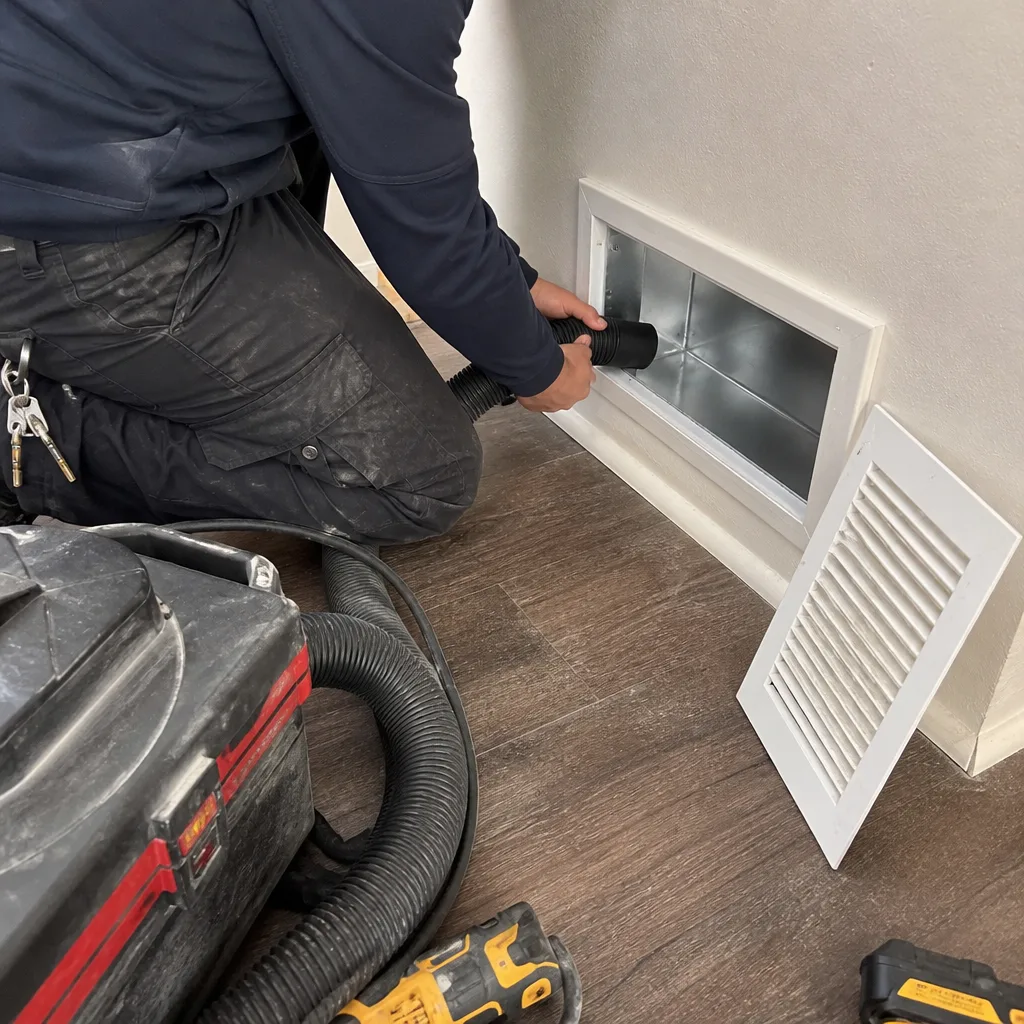
- Register and grille cleaning: Removing floor or ceiling registers and vacuuming the visible surfaces keeps airflow clean at the point of entry. This is basic maintenance, and it matters.
- Return air filter replacement: Checking and swapping your filter every 30-90 days is the single highest-impact thing you can do for your system. No professional needed.
- Surface dusting around supply vents: The dust that accumulates on the vent cover itself is cosmetic and easily handled.
Where DIY hits a wall is the main trunk line. In most Marietta homes, the central supply trunk runs through an attic, crawlspace, or basement. Access requires opening the system at strategic points, and cleaning requires moving debris toward a collection point. A shop vac hose pushed through a register gets maybe three to four feet into a branch run before it hits a junction, a bend, or simply loses reach. The debris sitting in the main trunk never moves.
One thing worth repeating: cleaning the visible surfaces does have real value for indoor air quality. It just isn’t the same task as cleaning the entire distribution system. Think of it like wiping down your kitchen counters versus pulling out the refrigerator and cleaning behind it. Both are good habits. Only one addresses the accumulated grime.
The Access Point Problem: Why Consumer Tools Fall Short
The core difference between DIY and professional duct cleaning is not effort or technique. It’s physics. Professional systems create what’s called negative-pressure extraction, meaning the entire duct system is placed under vacuum while agitation tools loosen debris. The loosened material gets pulled into a HEPA-filtered collection unit at the air handler. It does not re-enter your living space.
When you push a vacuum hose into a vent from inside a room, you’re working with positive pressure at the wrong end of the system. Debris loosened inside the ductwork has no reason to travel toward your hose. It settles back down, or worse, gets pushed deeper into the trunk line. And if you’re using a brush attachment on a drill, you’re agitating material without any meaningful extraction at the source.
In our experience with Marietta homes, the layout usually makes this worse. Homes in neighborhoods like East Cobb, Sandy Plains, and West Marietta frequently have HVAC systems in attics with long vertical drops. The main trunk often runs 30 feet or more from the air handler. Consumer tools simply cannot reach that distance, and even if they could, the connection points at the plenum and trunk junctions require access holes that most homeowners shouldn’t create themselves.
A camera endoscope, the kind many homeowners now own for various projects, can show you what’s inside the ductwork. That’s actually useful for understanding whether professional cleaning is needed. But seeing the problem and solving it are different things. The endoscope shows you where the debris sits. It does nothing to remove it.
Specific Marietta Scenarios Where DIY Is Genuinely Appropriate
Marietta’s climate plays a real role in this conversation. Georgia’s humidity means dust inside ductwork tends to hold moisture and cling to surfaces rather than blow through. Pollen season in Cobb County runs long, and construction dust from the steady pace of new builds and renovations around the area finds its way into every system. Knowing this helps you understand which tasks fit a homeowner’s toolset.
Here are the Marietta-specific situations where DIY is the right call:
- A straight dryer vent run under 8 feet: If your laundry room sits against an exterior wall and the vent exits directly behind the dryer, a brush kit with rod extensions handles this. Buy a kit, follow the instructions, and you’ve genuinely solved the problem.
- Surface register cleaning during pollen season: When yellow pollen dust coats every surface in March and April, removing registers and wiping them down is straightforward home maintenance.
- Filter replacement interval check: Marietta’s pollen season means filters load faster here than in drier climates. If you run your system heavily in July and August, check filters monthly during peak season instead of the standard 90-day recommendation.
- Visual inspection of accessible duct sections: If part of your ductwork runs through an unfinished basement or accessible crawlspace, a flashlight inspection for obvious damage, disconnected joints, or rodent activity is a legitimate DIY task.
What these scenarios share is simple geometry: the surface you’re cleaning is reachable, and the debris you’re removing moves in a predictable direction. When either of those conditions fails, DIY stops being appropriate. An 18-foot dryer vent run with a 90-degree elbow inside the wall is a perfect example. Homeowners in older Marietta homes near the Square, where laundry rooms were often retrofitted into interior spaces, face this exact challenge. Pushing a brush assembly around a tight elbow in flexible duct can disconnect the duct inside the wall, leaving you with exhaust venting into the wall cavity, which is a fire hazard and a moisture problem.
If you’re unsure whether your dryer vent falls into the “straight and short” category or the “call someone” category, an honest assessment of the run length and bends is the deciding factor. For reference, our Dryer Vent Cleaning in Marietta page covers what full professional dryer vent service includes.
The Warranty and Liability Angle
Here’s a point most DIY guides skip entirely: your HVAC system came with a manufacturer warranty, and that warranty has conditions. Most major equipment manufacturers state that the system must be installed and maintained according to their specifications. When you open the ductwork and start cleaning with consumer tools, you’re performing maintenance the manufacturer never tested for.
Does this automatically void your warranty? Probably not for filter changes or register wiping. But if a DIY attempt damages a plenum connection, tears flexible duct, or damages an evaporator coil while being “thorough,” a warranty claim on the affected component gets complicated fast. Manufacturer representatives reviewing a damaged coil will ask how it got damaged. Saying “I was cleaning my ducts with a drill brush” shifts liability to you.
The National Air Duct Cleaners Association (NADCA) sets the standards for professional duct cleaning. Their process involves specific access procedures, containment protocols, and equipment requirements. Homeowners don’t need to follow NADCA standards to change a filter. But if you’re opening the system and cleaning internals, using non-NADCA methods on a system still under manufacturer warranty introduces risk that most homeowners never consider until a claim gets denied.
There’s also the matter of what insurance covers. If a DIY duct cleaning attempt results in water damage, mold introduction, or equipment damage, your homeowner’s policy may or may not cover the repair. Policies generally cover sudden and accidental damage, which sounds like it should apply, but adjusters are skilled at identifying maintenance-related damage and excluding it. A torn flex duct from an overly aggressive DIY cleaning session reads as maintenance error, not sudden damage.
Professionals carry their own liability coverage. When you hire a licensed and insured duct cleaning company, the responsibility for mistakes transfers to the company. When you do it yourself, the responsibility stays with you. That’s not a scare tactic. It’s simply the structure of the risk.
Cost-Honest Comparison: DIY Kit vs Professional Cleaning
Let’s talk about what things actually cost in the Marietta market. The math is more nuanced than “DIY is $30 and professionals are $400.” Here’s the full picture.
The DIY route:
- Dryer vent brush kit with extension rods: $25-$45
- Endoscope camera for inspecting ducts: $30-$80 if you don’t already own one
- Shop vac with a long hose: $60-$100 if you don’t already own one
- HEPA filter for the shop vac if you care about exhaust air quality: $25-$40
- Vent register brush set: $15-$25
- Your time: 2-4 hours for a first attempt at dryer vent plus register cleaning
The professional route:
In Marietta, standard air duct cleaning for a typical single-family home runs $400-$650 for the full system. That covers all supply and return lines, the main trunk, the air handler interior, and the return plenum. Whole-home cleaning with sanitizing treatment typically runs $550-$850 depending on home size and system configuration. Dryer vent cleaning as a standalone service runs $100-$175.
Now here’s the part most comparison guides gloss over: the DIY cost isn’t just the kit price. It’s the kit price plus the tools you may not own plus the time plus the risk that you’ll do a partial job and not know it. A homeowner who spends $100 on DIY equipment and three hours of a Saturday cleaning registers and a short dryer vent has gotten fair value if those were the tasks needed.
The same homeowner who spends that money and time attempting to clean trunk lines with a shop vac hose has accomplished very little. The debris in the main trunk hasn’t moved. The return plenum is untouched. The air handler interior hasn’t been inspected. But the homeowner now believes the system is clean, and that false confidence can delay professional cleaning for years.
For a full honest comparison, our Air Duct Cleaning in Marietta page breaks down exactly what professional whole-system cleaning includes and what it costs.
What Professional Duct Cleaning Equipment Actually Does
When you hire a professional duct cleaning company, you’re paying for equipment capabilities that don’t exist in the consumer market. Let’s get specific about what those machines are and what they accomplish.
Rotobrush systems use a rotating brush head on a long flexible shaft to physically dislodge debris that has adhered to duct walls. The brushing action breaks loose material that vacuuming alone cannot remove. In Georgia’s humidity, this matters because dust inside ducts tends to bond with moisture and cling rather than sit loose.
Nikro HEPA vacuums create the negative pressure that pulls loosened debris backwards through the system toward the collection point. HEPA filtration means the vacuum exhaust is cleaner than the air in most homes, which matters when the vacuum is running inside your living space during the cleaning.
Abatement Technologies containment units are used to isolate the system during cleaning, preventing cross-contamination between the ductwork being cleaned and the rest of the home. This is the piece most homeowners never think about: controlling where the debris goes once it’s dislodged.
None of these tools are available at Home Depot or on Amazon. They’re commercial equipment that costs thousands of dollars and requires training to operate correctly. The capability gap between a $30 brush kit and a professional-grade extraction system is not a matter of effort or technique. It’s a matter of physics and equipment reach.
We should also mention the filtration products that professional companies offer. Brands like Aprilaire and Guardsman manufacture media filters and air purification products that install at the air handler and address whole-home air quality at the source. Some of these products are homeowner-installable, but most require professional installation to function correctly.
When evaluating any duct cleaning company in Marietta, ask what equipment they run. A company that shows up with a shop vac and a drill brush is not offering professional duct cleaning, regardless of what they charge. We run Rotobrush brush systems, Nikro HEPA vacuums, and Abatement Technologies containment units on our jobs. That’s what professional-grade looks like in this industry. You can learn more about what this equipment does on our HVAC Cleaning in Marietta page.
How Professional Duct Cleaning Works: Step by Step
Understanding the professional process helps you understand what you’re paying for. Here’s how a proper whole-system duct cleaning works in a Marietta home:
- System inspection: The technician examines the air handler, return plenum, supply trunk, and representative branch runs. This determines the access points needed and identifies any pre-existing damage or issues.
- Protection setup: Flooring and furnishings near access points get covered. The work area is isolated as needed.
- Access point creation: Holes are cut into the supply and return trunk lines at strategic locations. These are cut cleanly and will be sealed with caps and mastic, not tape.
- Negative pressure establishment: The HEPA vacuum connects to the system at the air handler point and runs continuously throughout the cleaning. This means air only moves in one direction: from the registers toward the collection unit.
- Agitation and extraction: The Rotobrush system travels through each branch run and the main trunk, dislodging debris that the vacuum instantly extracts. This happens run by run, section by section.
- Air handler cleaning: The blower compartment, evaporator coil, and return plenum get cleaned using compressed air and vacuum extraction, not water.
- Final inspection and photo documentation: Before-and-after photos of the main trunk and representative runs are captured. The access points are sealed and verified.
- System re-verification: The system runs through a full cycle, and supplies are checked for even airflow.
A proper professional cleaning takes 3-6 hours for a typical single-family Marietta home. Faster is not better. If someone quotes you a full system cleaning that takes an hour, they’re not doing what this list describes.
Common Mistakes to Avoid
- Pushing debris into your home instead of out of it: Using a vacuum from the register side, without negative pressure at the air handler, can actually loosen material and blow it into your living space. You weren’t cleaning. You were redistributing.
- Overreaching with a brush on a long flexible rod: The deeper you push, the more likely you are to damage a junction, tear flex duct, or disconnect a run inside a wall. The repair costs more than professional cleaning would have.
- Trusting “whole system” cleaning from someone with a shop vac: In the Marietta market, plenty of handyman services and even some cleaning companies offer duct cleaning as a side service. Without negative-pressure extraction equipment, it isn’t duct cleaning. It’s register cleaning with marketing.
- Ignoring the return side entirely: Homeowners focus on supply vents because those are the visible registers. But the return side pulls air in continuously and accumulates the most debris. A DIY approach that only addresses supplies leaves half the system untouched.
- Assuming a clean-looking register means a clean system: The register is the doorway. What sits beyond it, in the branch run and the trunk line, is invisible from the room. If you can’t see the inside of the ductwork with a camera, don’t assume it’s clean.
- Using the wrong equipment and thinking it’s “good enough”: A leaf blower pointed into a vent is not a cleaning method. Neither is a vacuum cleaner with a homemade attachment. These approaches dislodge debris without capturing it.
- Skipping the pre-cleaning inspection entirely: Professional companies inspect before cleaning because the inspection determines the approach. If you start cleaning without understanding your system’s layout, you’re working blind.
When to Call a Professional
Call a professional whole-system duct cleaning company when any of these situations apply: you can see visible dust accumulation on interior duct surfaces with an inspection camera; you’ve had recent renovation or construction work that generated significant dust; you’ve had a rodent or pest issue inside the ductwork; someone in the home has allergy or respiratory symptoms that improve away from home; the system has not been professionally cleaned in the past 5-7 years; or you’ve noticed visible mold growth on duct surfaces or the air handler. You should also call for Dryer Vent Cleaning Maintenance Checklist for Marietta Homeowners when the run exceeds 8 feet, has any bends, or you’ve noticed the dryer taking longer than one cycle to dry a normal load. Cardinal Air Duct Marietta offers free estimates in Marietta. Call (762) 216-4075 and a live person answers, any time, day or night.
Frequently Asked Questions
Professional air duct cleaning in Marietta typically costs $400-$650 for a standard single-family home’s full system, with larger homes or systems requiring sanitizing running $550-$850. Prices vary based on the number of systems in the home, the home’s square footage, the number of vents, and whether add-on services like dryer vent cleaning are included. Call (762) 216-4075 for a written quote before any work starts, no obligation and no pressure.
DIY duct cleaning is worth it for short straight dryer vent runs under 8 feet, register cleaning, and routine filter replacement. Anything beyond that, including main trunk lines and branch runs, requires professional negative-pressure equipment to clean effectively. Spending money on DIY tools for whole-system cleaning is money spent on the wrong solution.
Cheaper quotes usually mean a company is doing less: fewer access points, no air handler cleaning, no negative-pressure extraction, and sometimes just a visual inspection with a vacuum at the registers. If you need help choosing, see our guide on How to Hire a Air Duct Cleaning Contractor in Marietta: A Step-by-Step Guide. In the Marietta market, $99 whole-home duct cleaning offers are almost universally either a loss leader for upsells or a surface-level service that doesn’t clean the trunk lines at all. A legitimate whole-system cleaning takes hours and specialized thousands-of-dollars equipment. The price reflects that. Call (762) 216-4075 for an honest quote with no surprise fees at the door.
You should receive before-and-after photo documentation of the main trunk line and representative branch runs. A camera inspection before and after provides visual proof. Reputable companies offer this as standard practice, not as an add-on. We provide photo documentation before, during, and after every job as part of The Relay Standard, so you see exactly what was inside your ducts and what they look like when the work is done.
For most single-family homes in Marietta, professional air duct cleaning every 5-7 years is appropriate. Homes with pets, smokers, recent renovations, or family members with severe allergies may benefit from cleaning every 3-4 years. Georgia’s pollen season and humidity push many local systems toward the more frequent end of that range. If you’re unsure, a camera inspection answers the question definitively. Call (762) 216-4075 and we’ll help you figure out if it’s time.
You can use those tools to inspect and clean the first few feet of ductwork from a register, but you cannot clean the main trunk line or full branch runs. The shop vac hose cannot reach the main trunk, and without negative pressure pulling debris toward a collection point, dislodged dust settles back into the system. A camera shows you what’s there. It doesn’t remove it. For actual whole-system cleaning, professional equipment and training are required.
The Bottom Line
DIY duct cleaning is not useless. It’s limited, and understanding the limit saves you from wasting a Saturday and a hundred dollars on tools that don’t solve your actual problem. For short straight dryer vents, register surfaces, and air filters, DIY makes sense. For main trunk lines, full branch runs, air handler interiors, and anything involving an elbow you can’t see around, professional negative-pressure cleaning is the only solution that actually removes debris. In Marietta, professional whole-system cleaning costs $400-$650 for a typical home. Doing it yourself beyond the surface level costs less upfront and accomplishes almost nothing. That’s the honest math.
If you want to know what’s actually inside your ductwork before deciding anything, give us a call. Cardinal Air Duct Marietta offers free estimates and a live person answers 24/7. Call (762) 216-4075 or visit the Cardinal Air Duct Marietta home page to see exactly what we do, how we price it, and what you get before you commit to anything.
Written by Omar Haddad, Owner at Cardinal Air Duct Marietta, serving Marietta since 2005.
See the difference
 Before
 After
After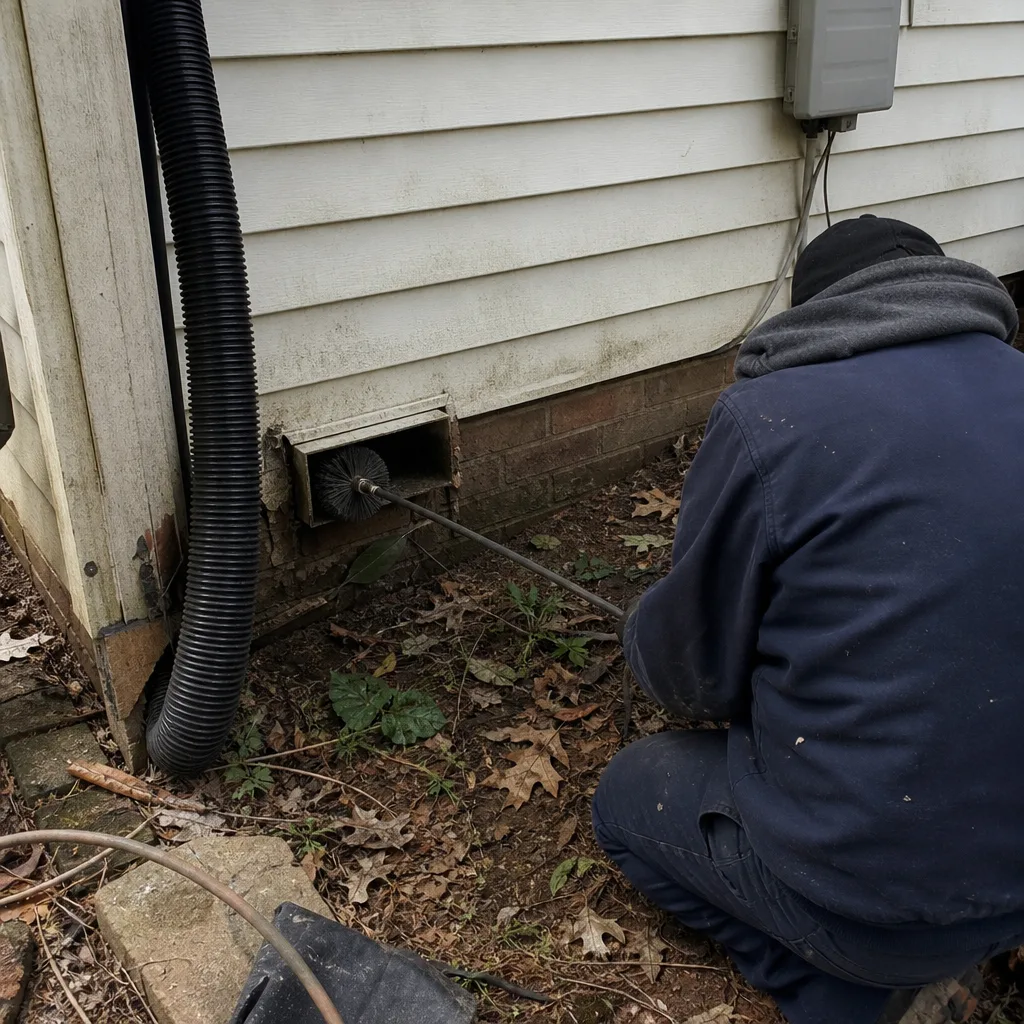 Before
 After
After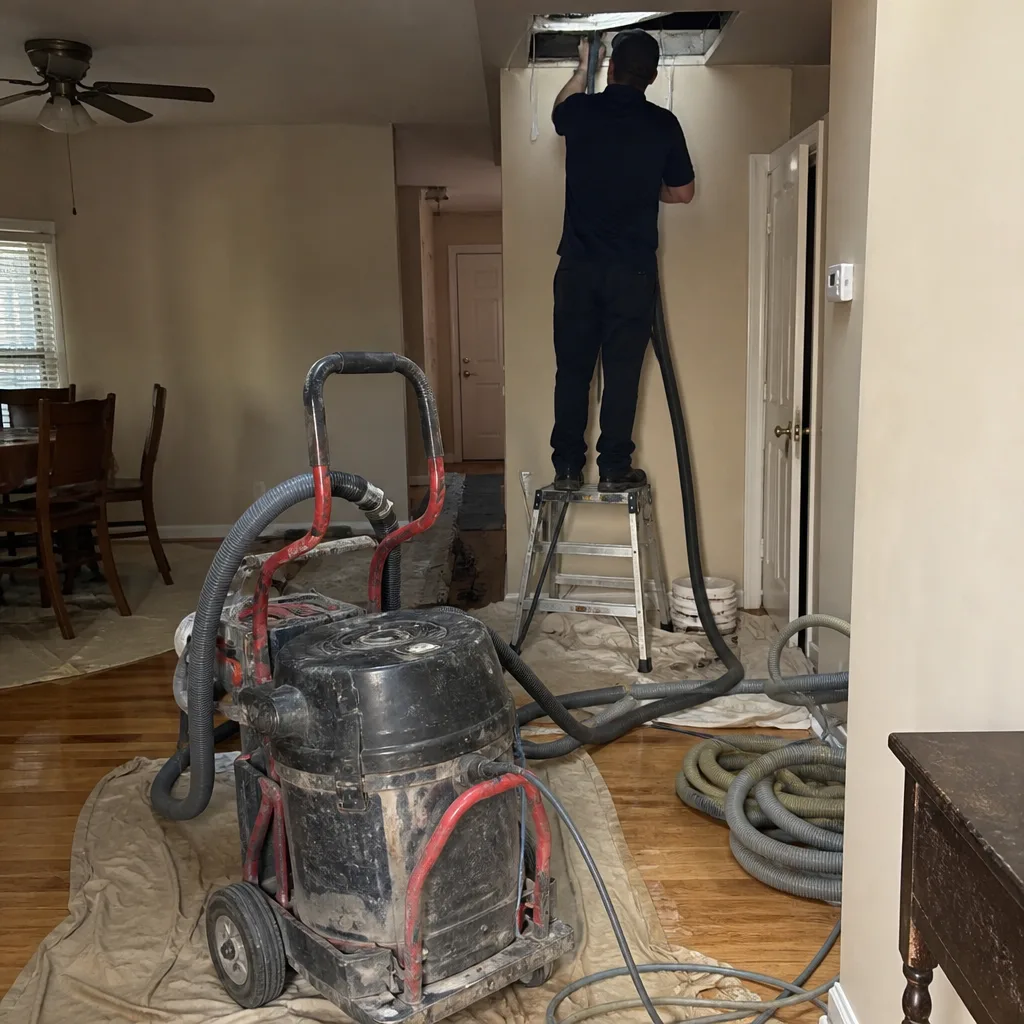 Before
 After
After