
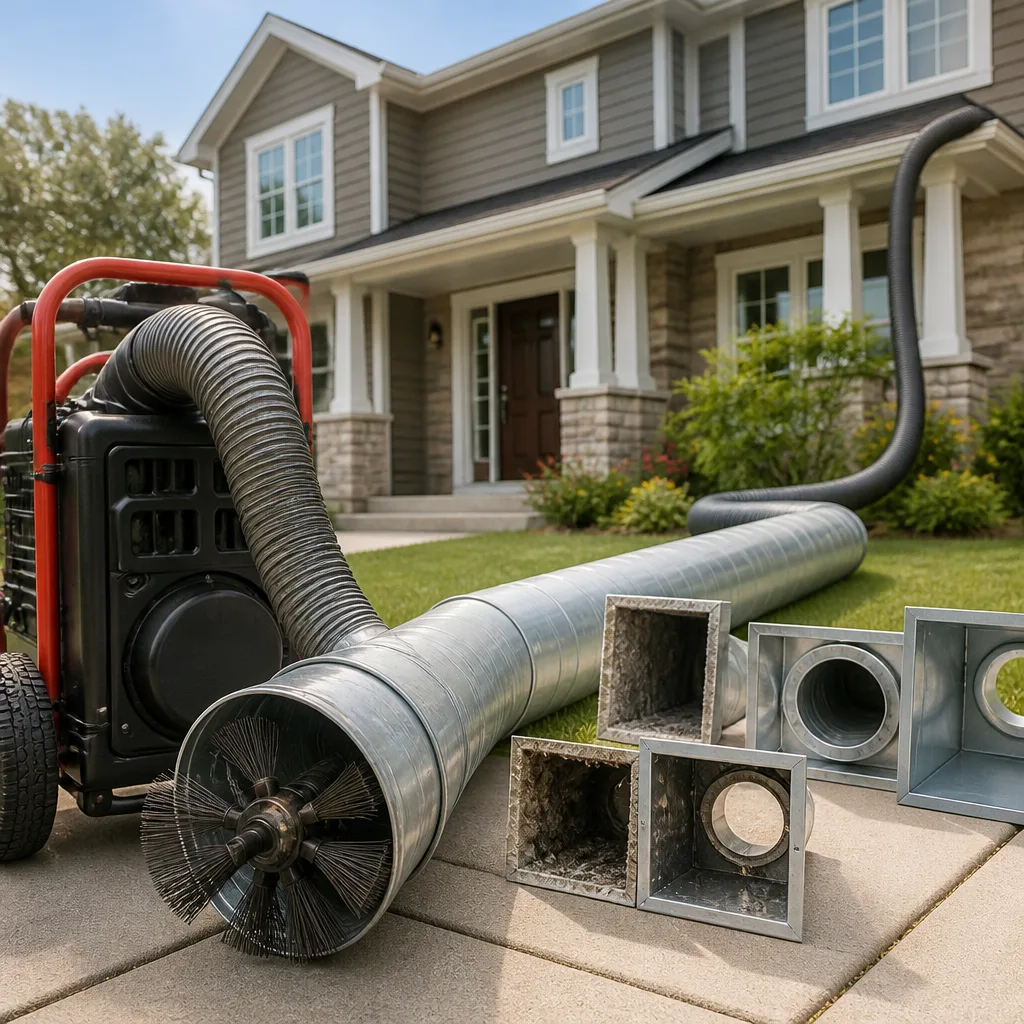
 Whole-home duct cleaning
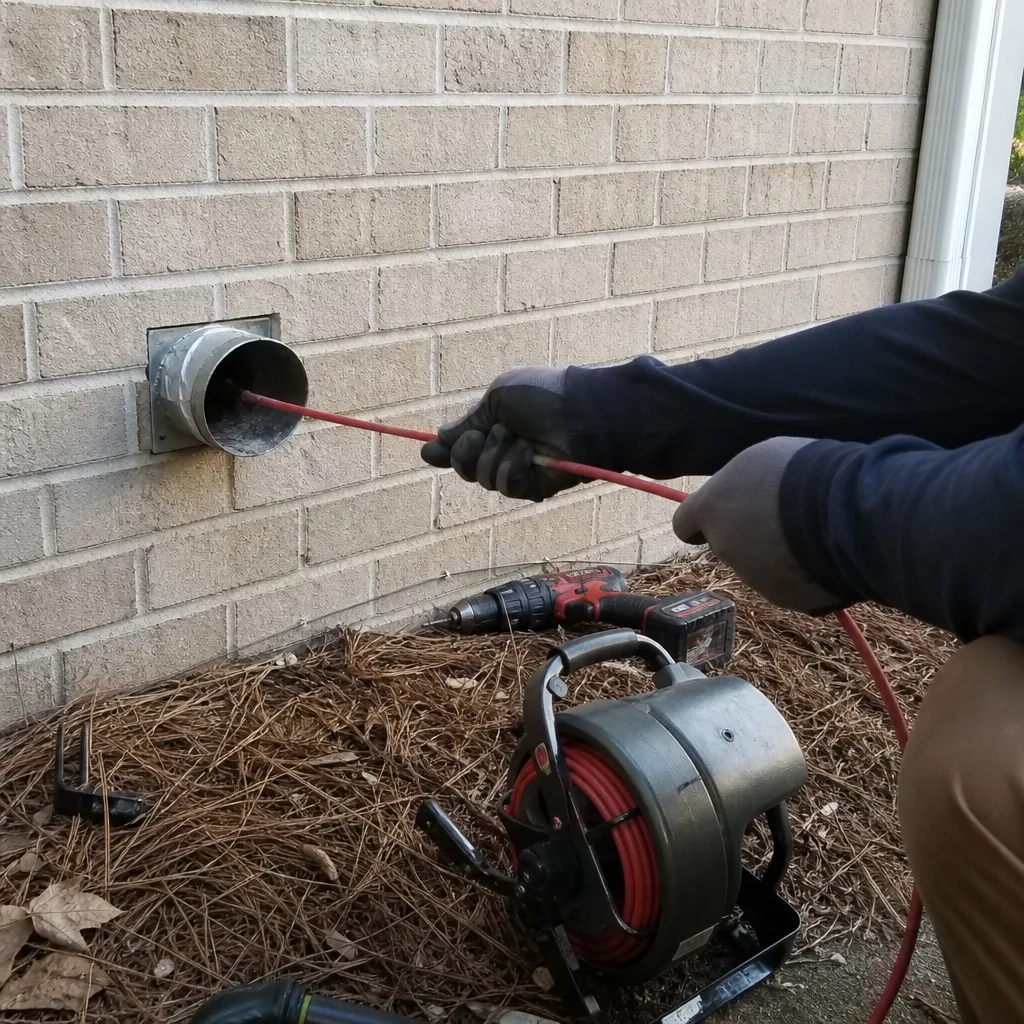
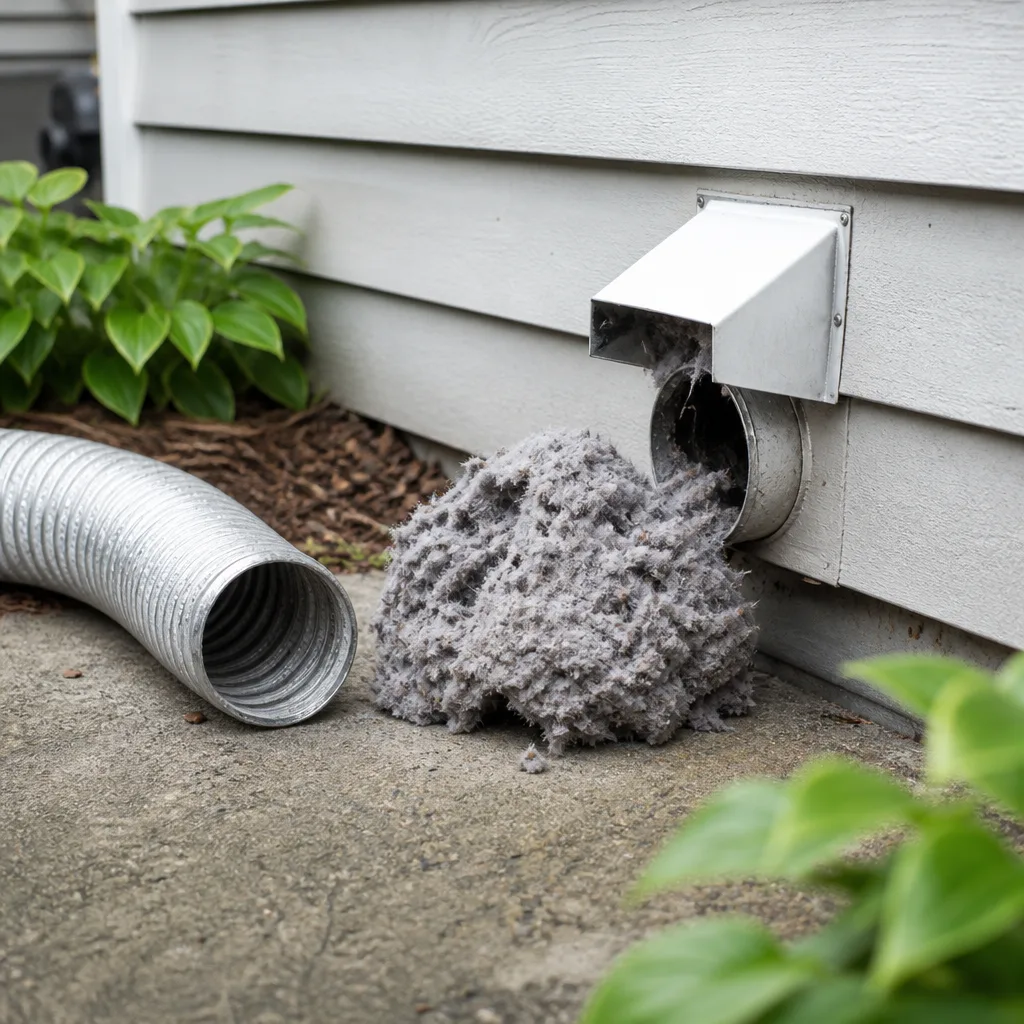 Dryer vent cleaning
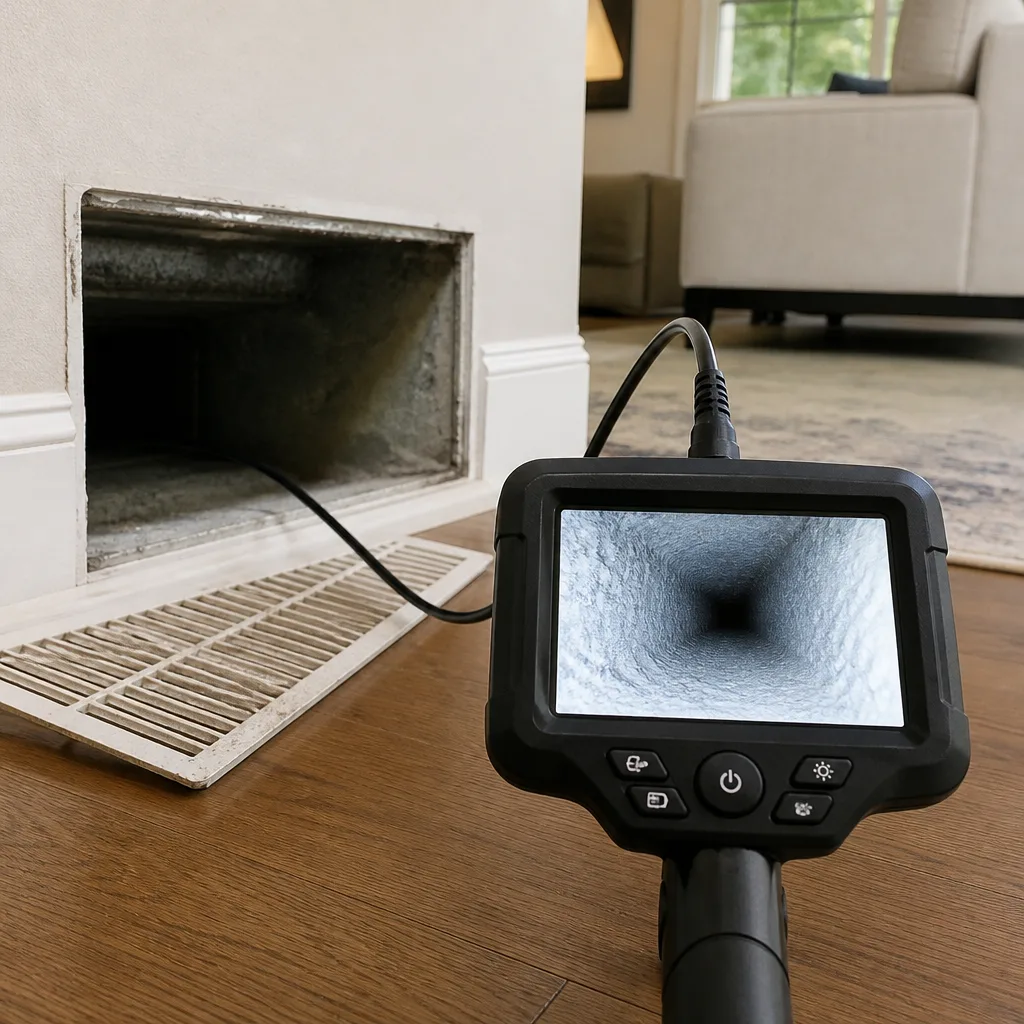 Camera inspection
 Sanitizing & deodorizing
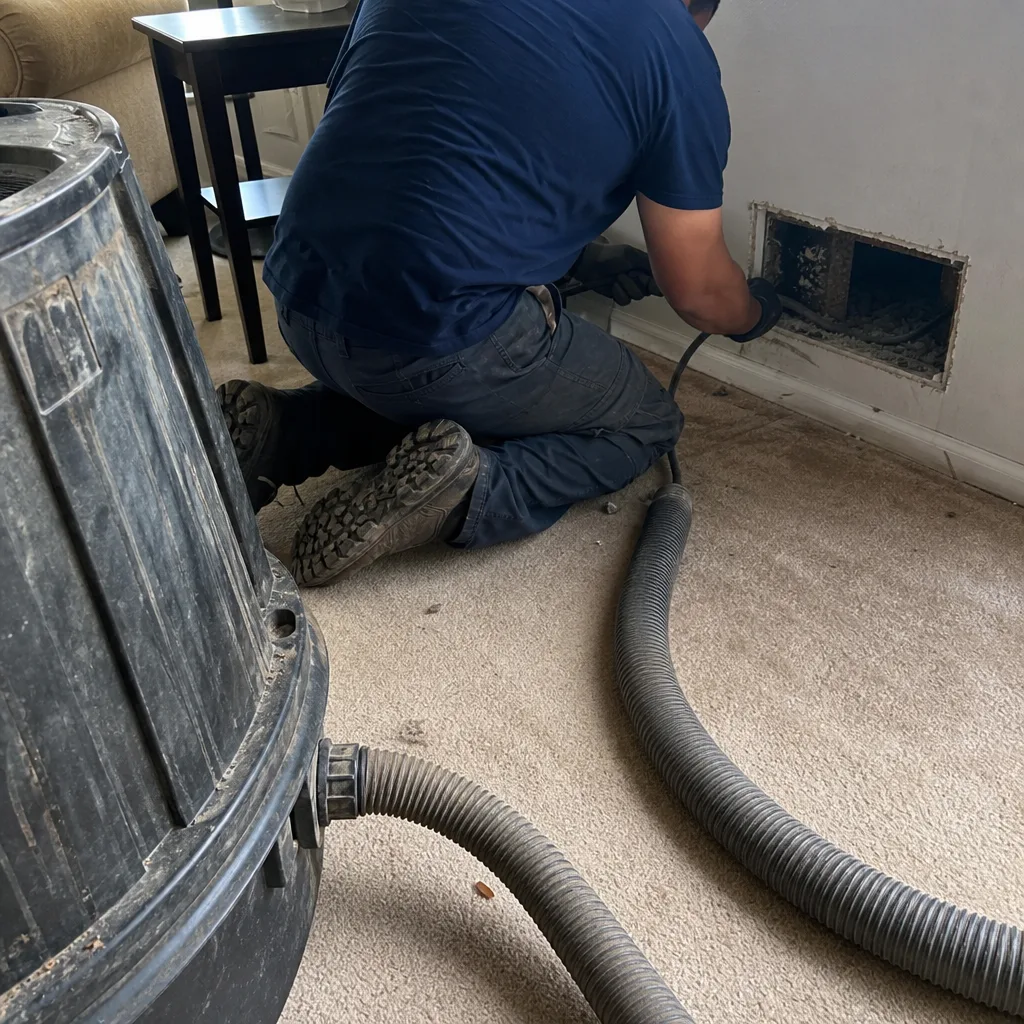
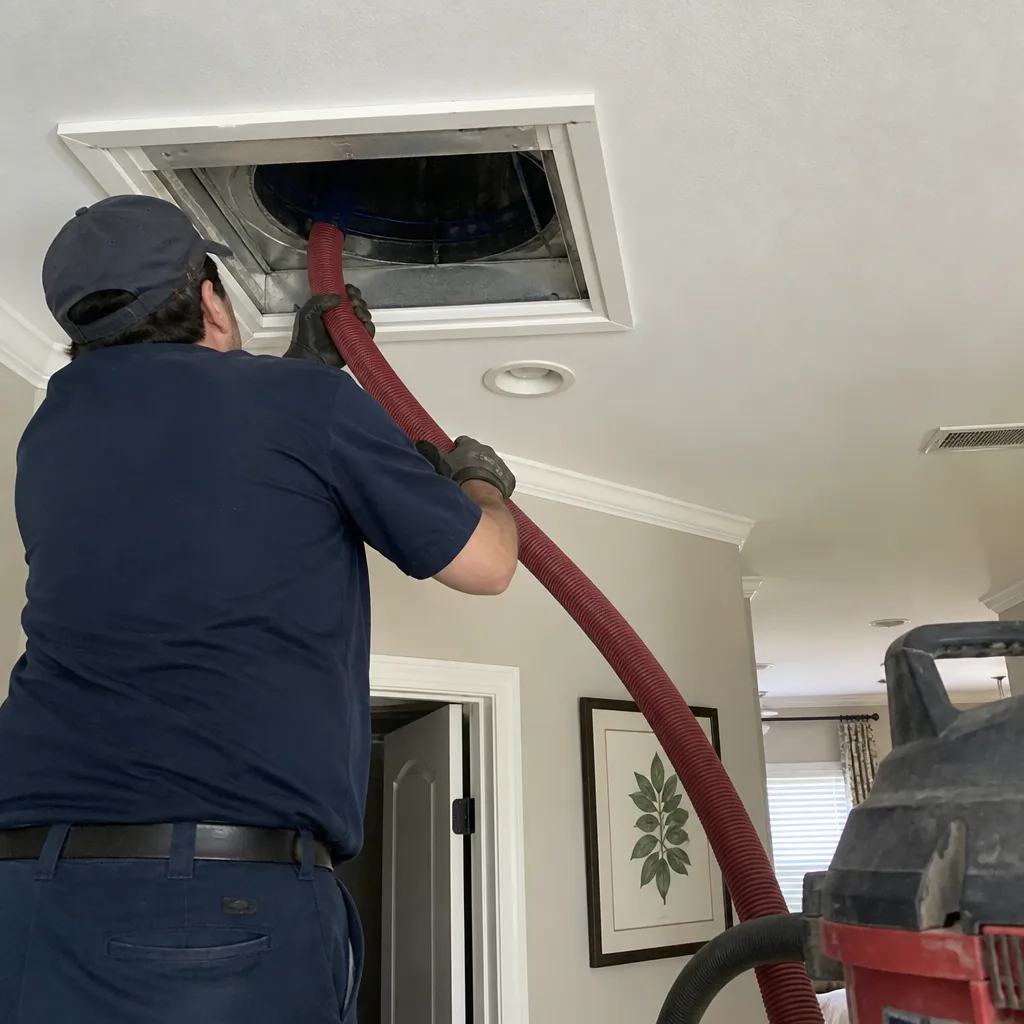
Whole-system duct and dryer vent check with before-and-after photos - you see exactly what came out of your vents
That "$99 whole-house special" is a bait ad - the real number appears once they are in your hallway, or the "clean" is a shop-vac at the register. We photograph the inside of your ducts before and after instead.
Abatement Technologies Register & Grille Cleaning: The Marietta Owner’s Guide
If you need Abatement Technologies register and grille cleaning in Marietta, here’s the straight answer: we clean, service, and replace registers and grilles on Abatement Technologies containment and air filtration units, and most register and grille cleaning jobs run between $85 and $185 depending on access and how much buildup we’re dealing with. Call (762) 216-4075 and we’ll give you a firm written price before any work starts. Most Marietta homeowners call us after noticing reduced airflow or visible dust streaking around the grille edges, which tells us the register hasn’t been pulled and cleaned in years. We handle it the same day in most cases.
Which Abatement Technologies Models This Applies To
Abatement Technologies builds negative air machines and HEPA filtration units used in remediation, construction containment, and high-end residential filtration setups. The registers and grilles on these units are not cosmetic trim pieces. They’re the intake and exhaust points that determine whether the unit maintains proper negative pressure, so a clogged grille doesn’t just look bad, it works against the machine. Cardinal Air Duct Marietta is an independent service provider, not affiliated with Abatement Technologies, but we work on their units regularly because Marietta homes and commercial spaces running containment or filtration equipment need someone who knows the difference between a standard residential grille and an Abatement-spec component.
How to identify what you’re working with: the unit’s data plate, usually mounted on the housing near the power cord or on the filter access panel, lists the model and series. Common lines we see include the HEPA-AIRE and PREDATOR series, and each uses grille dimensions sized to its specific air changes per hour rating. The key compatibility gotcha is this: an off-the-shelf 24×24 register from a Marietta big-box store will physically fit some Abatement openings, but the free area is wrong. Abatement grilles are engineered for specific static pressure, and a residential replacement chokes airflow, which shortens filter life and can overheat the motor. We stock OEM-spec Abatement-compatible grilles and registers, plus quality aftermarket equivalents that match the original free area and mounting pattern. If you’re unsure, grab a photo of the data plate and the grille, text or email it to us, and we’ll tell you exactly what you need before you spend a dime.
Styles & brands we work with
Signs Your Abatement Technologies Register & Grille Cleaning Is Failing
- Visible dust streaking around the grille perimeter. This means the seal between the grille and the housing is letting air bypass the filter. In Abatement units especially, bypass air defeats the entire purpose of the HEPA filtration, and in Marietta’s humid summers, that bypass air carries mold spores and pollen straight through.
- Increased noise from the unit. A partially clogged grille forces the blower to work harder against resistance. You’ll hear a higher-pitched whine or a rumble that wasn’t there when the unit was new. Left alone, that resistance strains the motor and shortens its life.
- Reduced airflow at the exhaust. Hold your hand in front of the exhaust grille. If the airflow feels weak compared to what it used to be, the intake grille is likely caked. On containment units, weak exhaust means the negative pressure is dropping, which is the whole reason the machine exists.
- Grille discoloration or surface corrosion. Marietta’s humidity does a number on cheap metal. If you’re seeing rust blooms or paint flaking on the grille itself, that’s a sign it’s been absorbing moisture, and the metal is degrading. On Abatement units that see regular use, we recommend checking this quarterly.
- Dust accumulating on surfaces near the unit despite good filter changes. This is the one that confuses people. They change filters on schedule and still see fine dust settling. Nine times out of ten, the grille seal has failed or the grille itself is so caked that it’s shedding particulate back into the room during startup.
See the difference
 Before
 After
After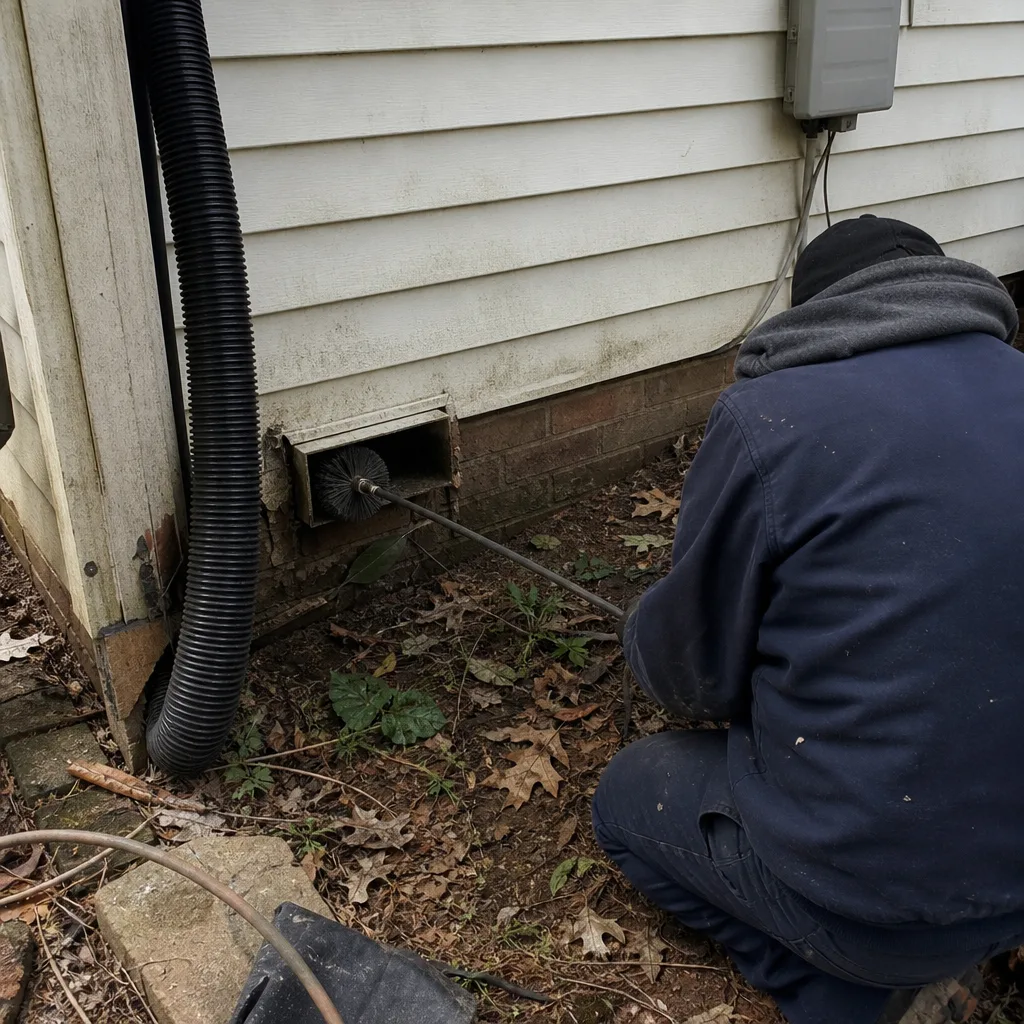 Before
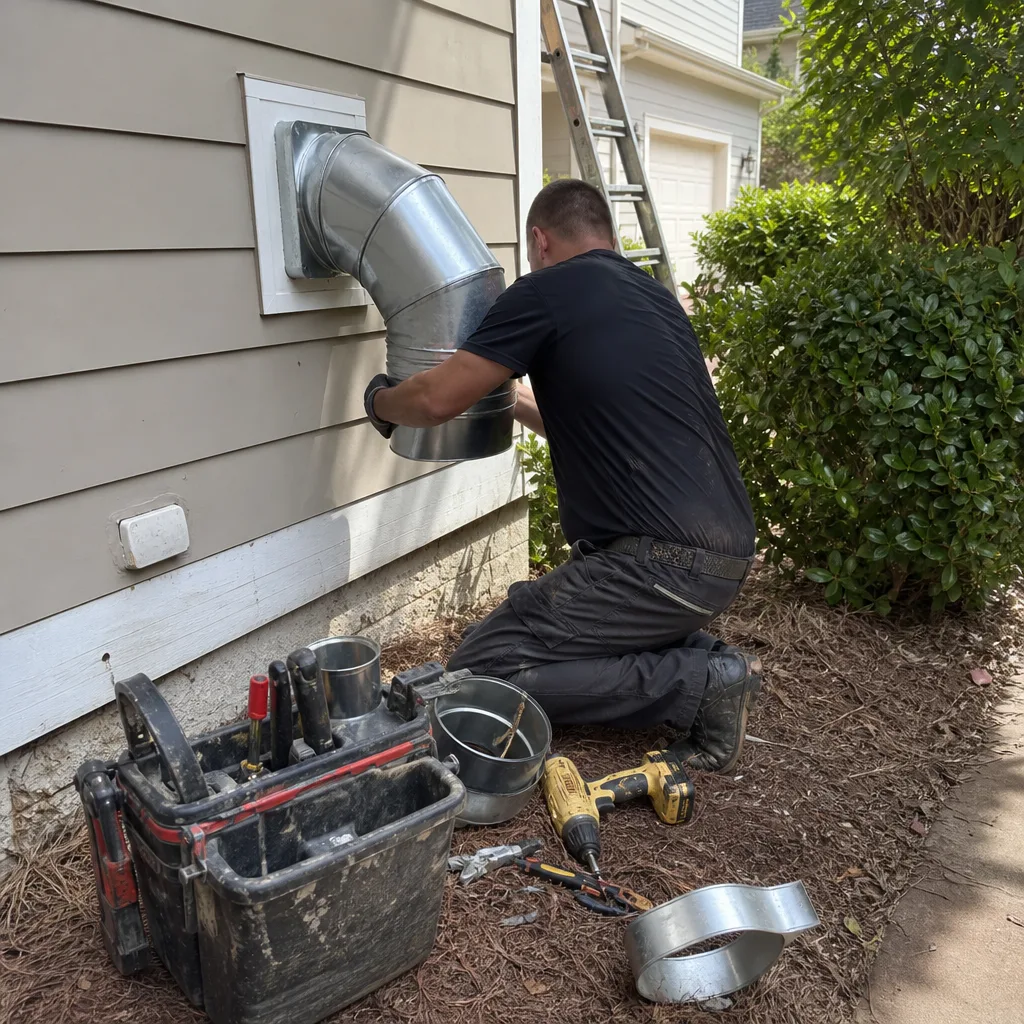 After
After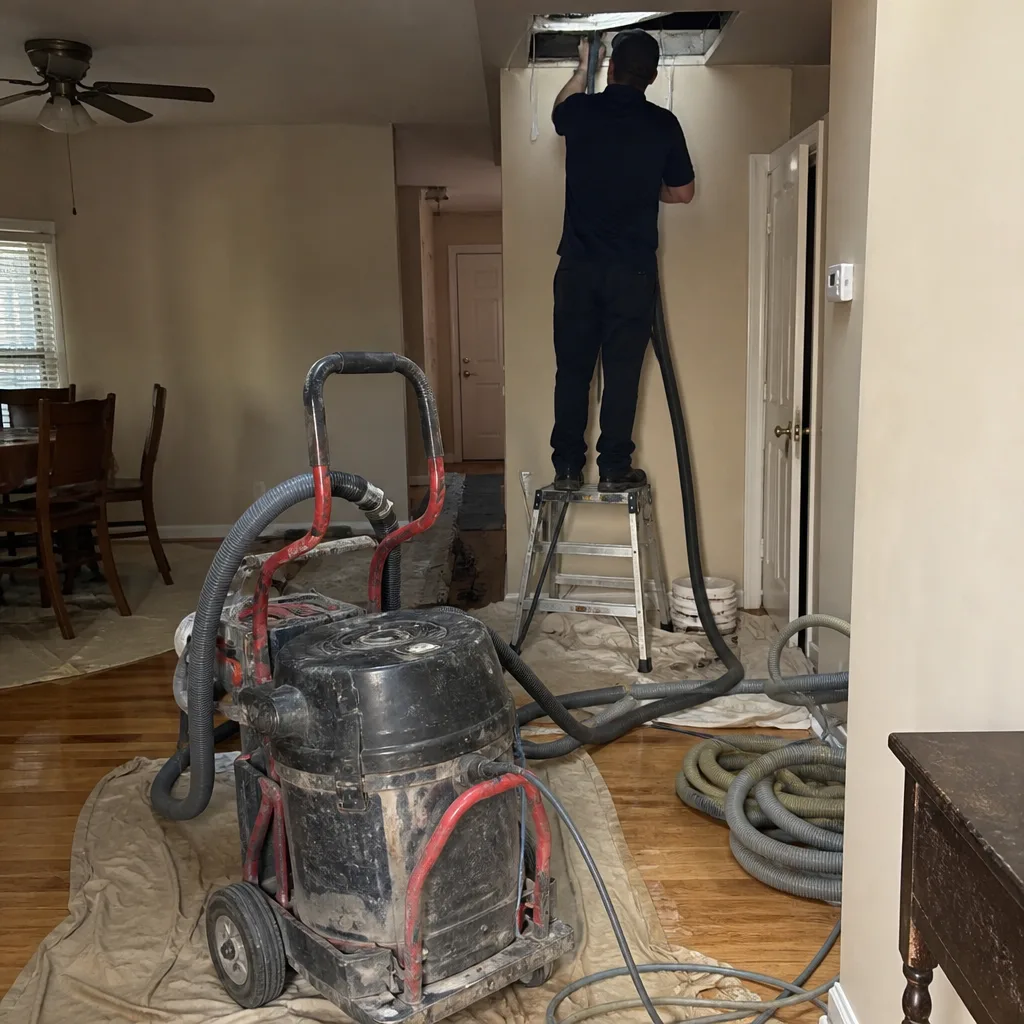 Before
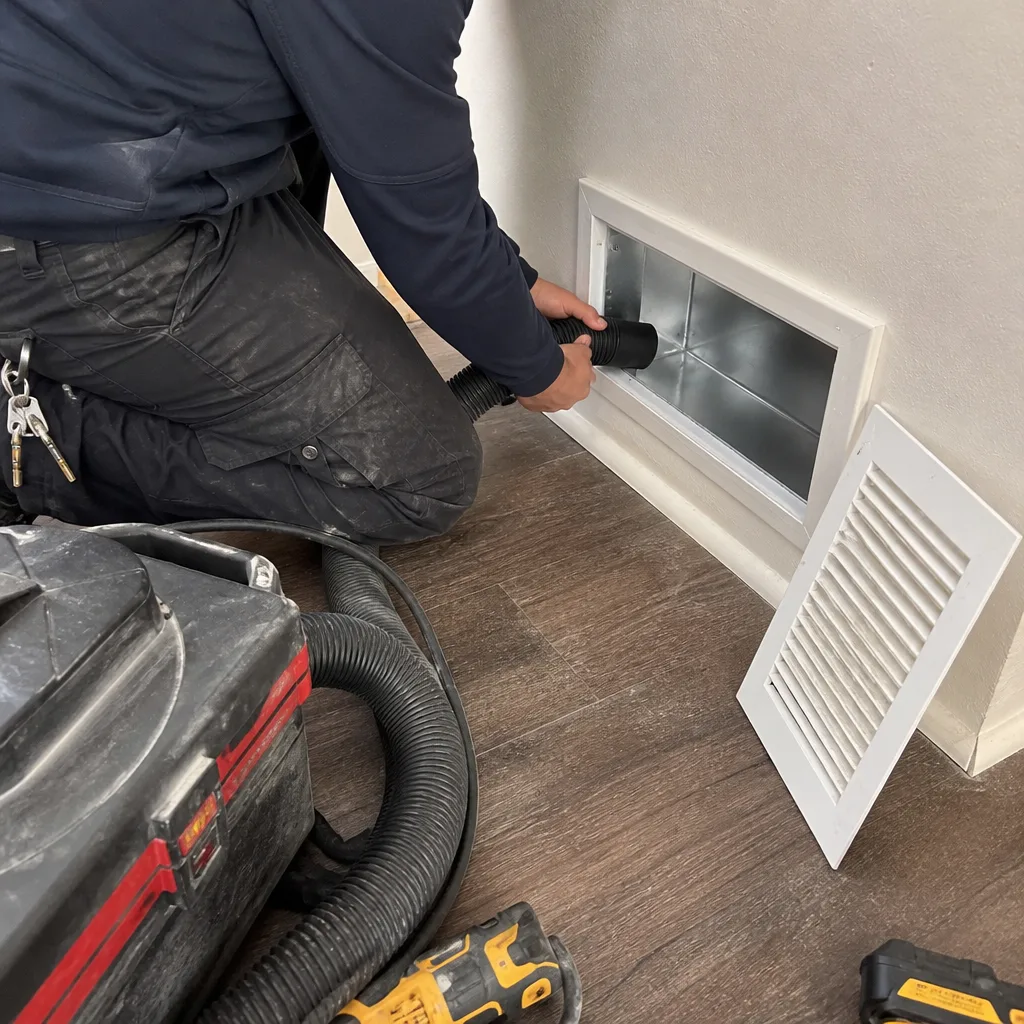 After
AfterReplacement Cost & What’s Included
Here’s what register and grille cleaning or replacement actually costs in Marietta. A cleaning-only service, where we pull the grille or register, degrease it, clean the housing opening, check the seal, and reinstall, runs $85 to $135 for most Abatement-compatible units. If the grille itself is damaged, corroded, or the free area is too far gone to salvage, a replacement grille matched to your specific Abatement model typically runs $120 to $185 installed, including the part and labor. The range depends on grille size, material, and whether we need to fabricate an adapter for an older opening pattern.
What’s included in that number: the written price you sign off on before any work starts, the part (OEM-spec or quality aftermarket equivalent, whichever you choose and we agree makes sense), installation with a properly seated seal, and our written guarantee on the work. If the replacement grille fails or the seal lets go within 365 days, we come back and fix it at no charge. That’s our 365-Day Done Right Promise, and it covers every register and grille job we do in Marietta, no fine print.
One more thing worth knowing: we don’t do bait-and-switch pricing. The price we put in writing before we touch the unit is the price on your invoice. No “discovered” fees, no added trip charges, no per-vent upselling. You’ll know exactly what you’re paying before the first screw comes out.
DIY or Call Us?
There’s a lot you can safely do yourself here, and we’ll tell you honestly. If you’re reasonably handy, you can remove the grille or register from most Abatement units with a standard screwdriver or drill. Vacuum the visible debris off both sides, wipe it down with a degreaser, and check the seal material while it’s off. If the seal is cracked or compressed flat, that’s a sign to replace it. What you should not attempt is any cleaning or repair that involves opening the unit’s electrical housing, rewiring, bypassing a switch, or forcing a corroded grille off when it’s seized. That’s where we’ve seen Marietta homeowners either damage the filter frame or get a shock from a capacitor that hadn’t discharged. If the grille won’t come off with reasonable effort, or if you see corrosion that’s eaten into the housing itself, stop and call us at (762) 216-4075. Omar Haddad has pulled apart enough Abatement units to know that a ten-minute grille cleaning beats a two-hour repair every time, and we’d rather walk you through a basic clean over the phone than watch a simple job turn into a damaged unit.
FAQs
For units running continuously in Marietta homes or commercial spaces, every 3 to 6 months is realistic. Marietta’s pollen season runs heavy from March through May, and if your unit pulls outside air, that grille is catching pine pollen and red clay dust every hour it runs. Units in cleaner indoor environments can go 6 to 12 months between cleanings. The simplest check: look at the grille. If you can write your name in the dust, it’s overdue. Call (762) 216-4075 and we’ll get it done.
Sometimes. Bent fins can often be straightened, and minor surface corrosion can be cleaned and treated. But if the metal has rusted through, if the mounting holes are wallowed out, or if the free area has been compromised by corrosion or physical damage, replacement is the honest answer. An Abatement unit relies on precise airflow, and a patched grille rarely restores that. We’ll show you the grille and explain exactly what we’re seeing before we recommend anything.
A standard cleaning takes about 30 to 45 minutes including seal inspection. A full replacement runs 60 to 90 minutes depending on access and whether any adapter work is needed. We’ll give you a firm arrival window, and Omar’s technician arrives in uniform with the right parts on the truck from the start. You’ll also get before-and-after photos so you can see exactly what was done.
Yes, we carry the most common Abatement-spec grille sizes and mounting patterns on our service vehicles, along with compatible seal material. For less common sizes or older units, we can typically source the part and have it installed within a few days. We also work with registers and grilles for Lennox, Trane, and Carrier systems, so if you’ve got mixed equipment in the building, we can handle it in one visit.
Written by Omar Haddad, Owner, Cardinal Air Duct Marietta at Cardinal Air Duct Marietta, serving Marietta and nearby areas.