
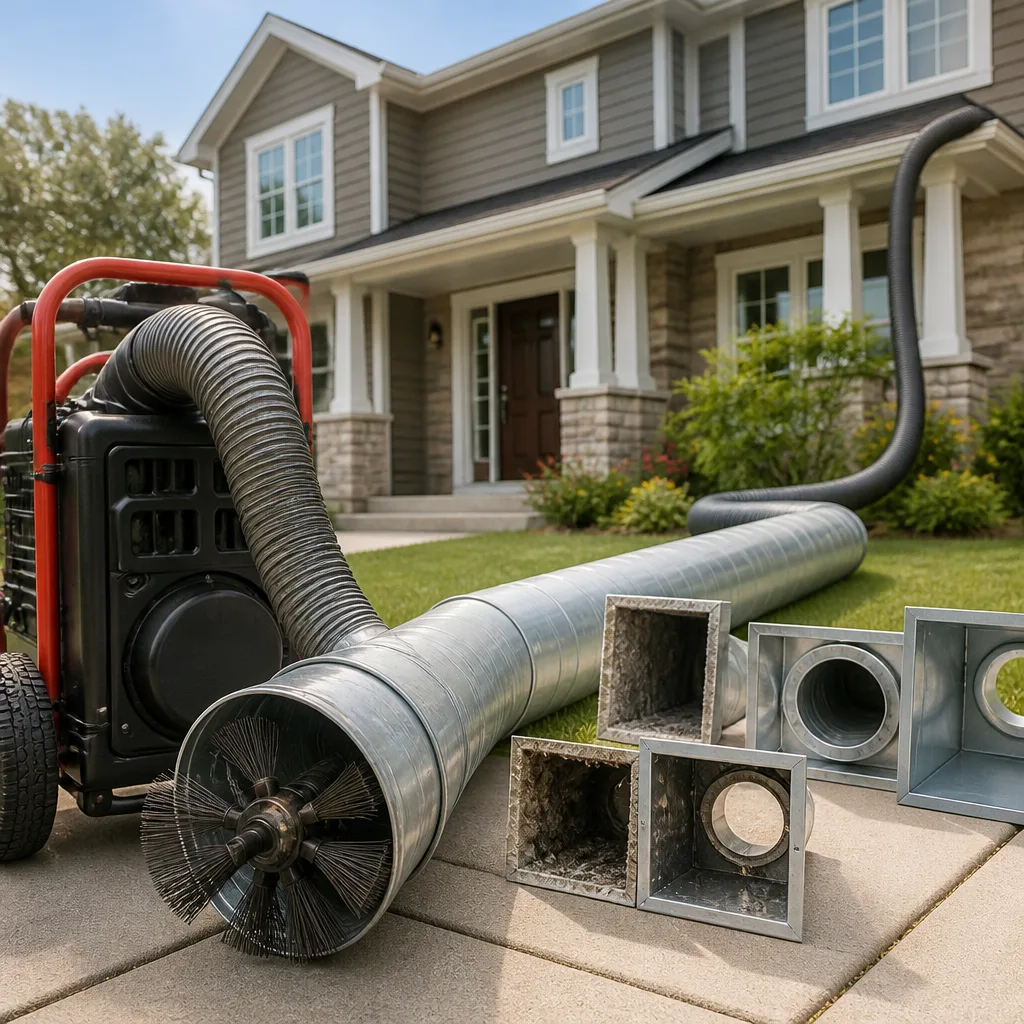
 Whole-home duct cleaning
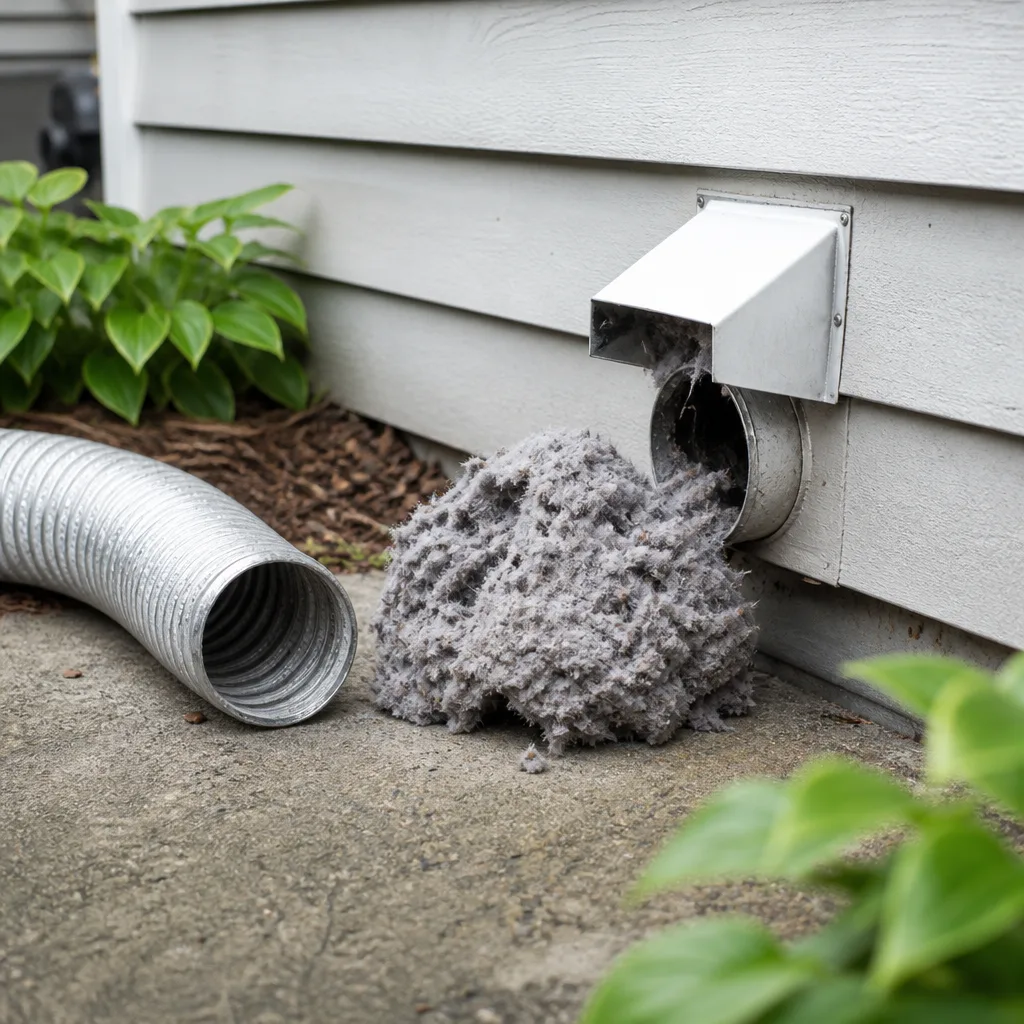 Dryer vent cleaning
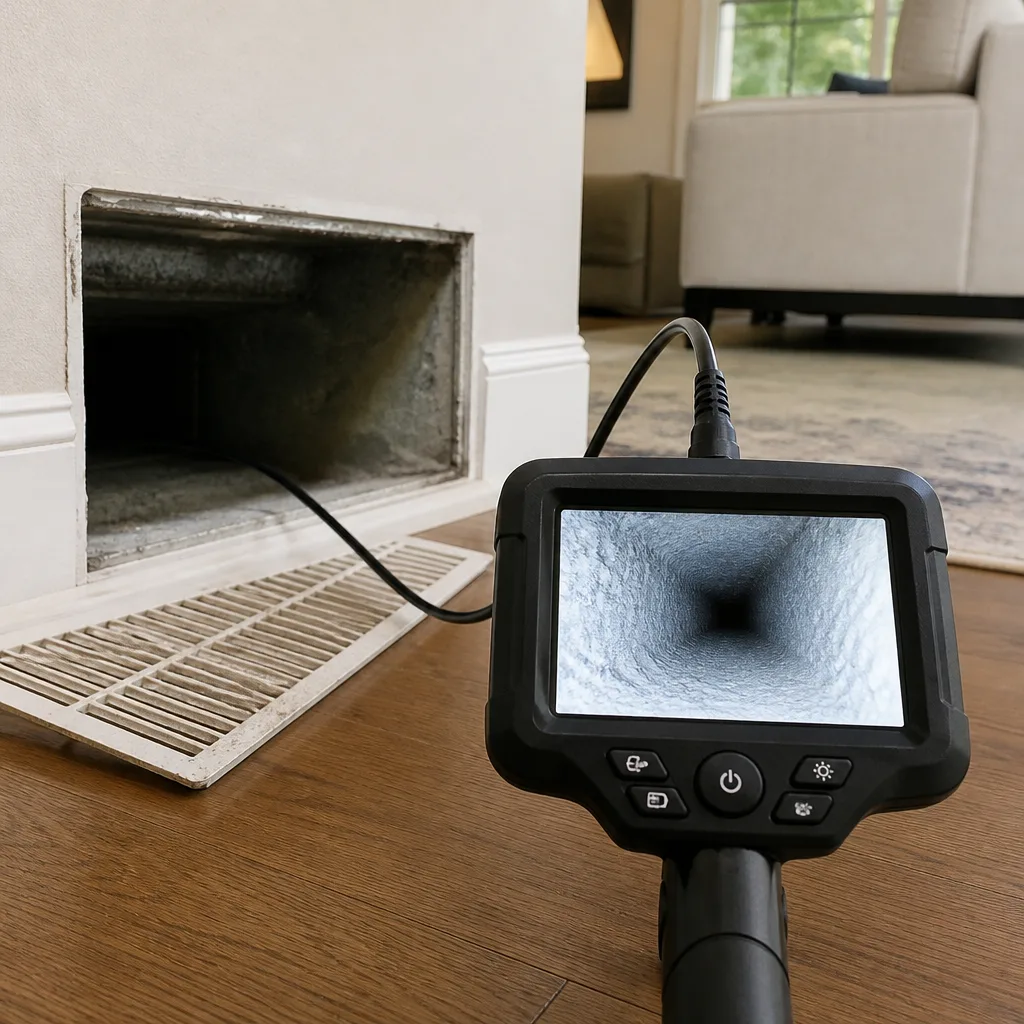 Camera inspection
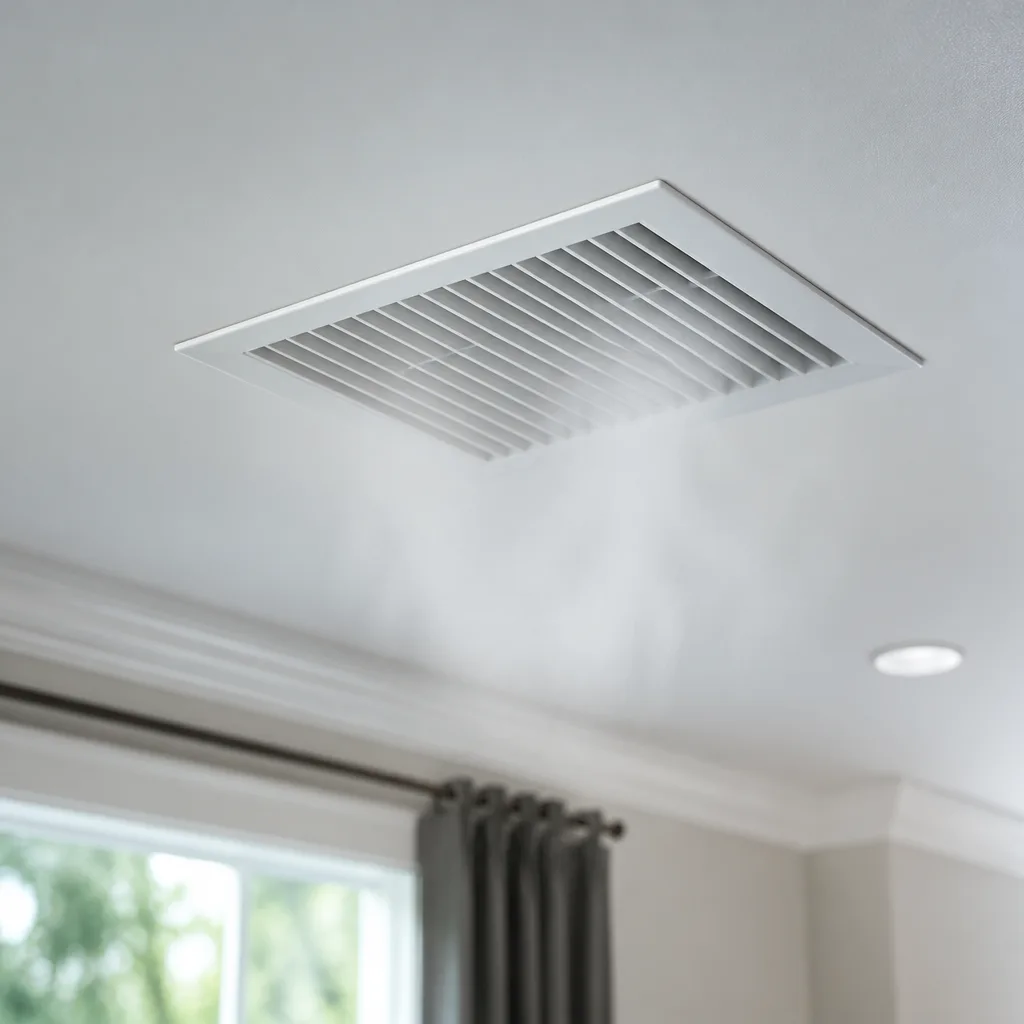 Sanitizing & deodorizing
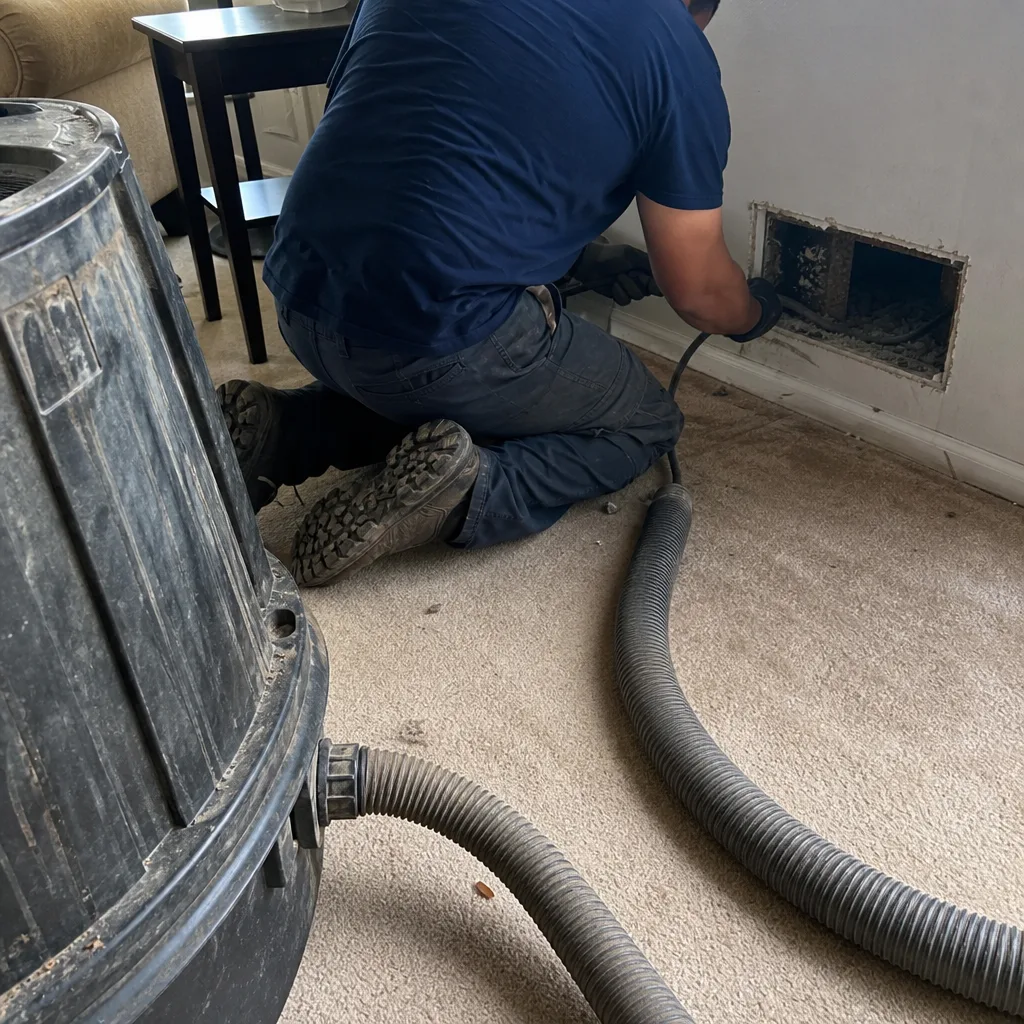
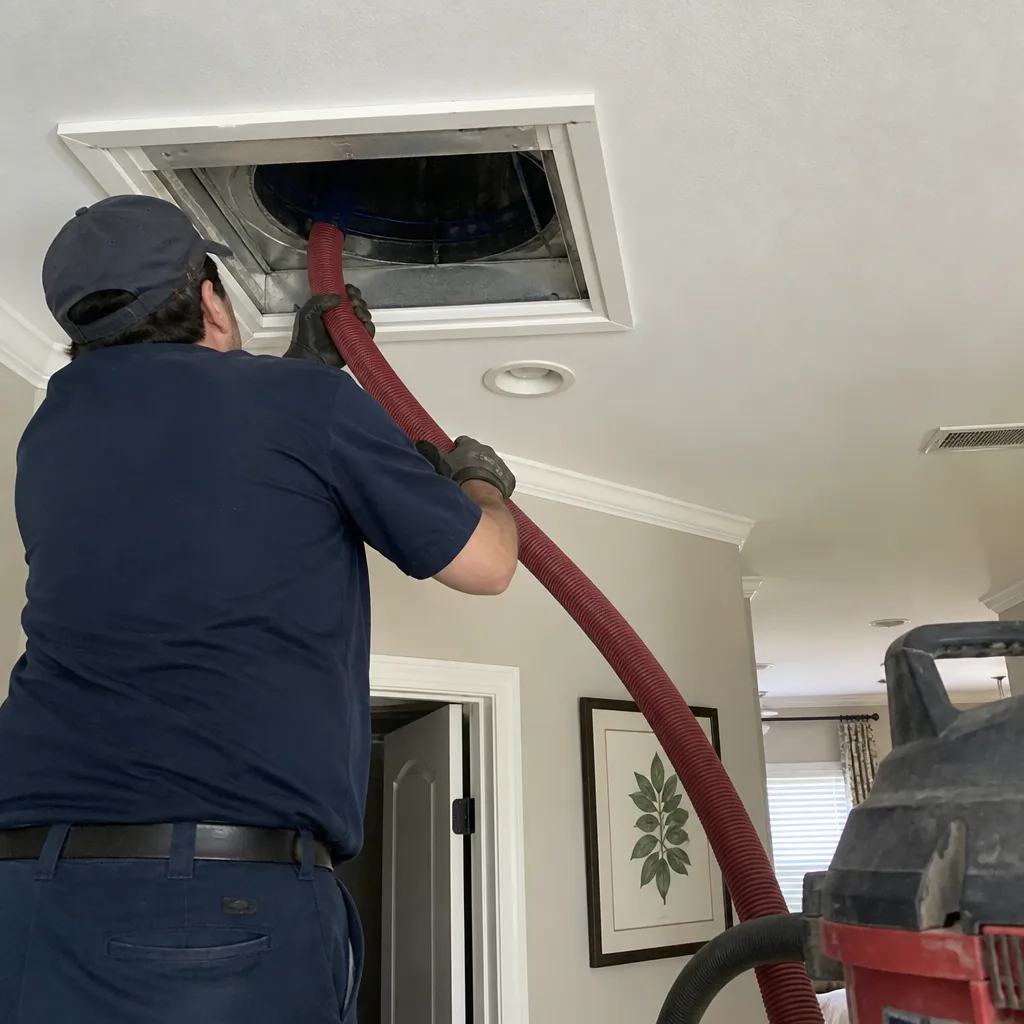
Whole-system duct and dryer vent check with before-and-after photos - you see exactly what came out of your vents
That "$99 whole-house special" is a bait ad - the real number appears once they are in your hallway, or the "clean" is a shop-vac at the register. We photograph the inside of your ducts before and after instead.
Nikro Vent Sanitizing: The Marietta Owner’s Guide
If your Nikro vent sanitizing unit has stopped producing its cleaning mist, lost pressure, or is leaking at the connection points, you’re in the right place. We stock Nikro-compatible vent sanitizing parts and complete replacement modules, with most Marietta installations completed in a single visit for between $285 and $540 depending on your unit’s generation and what specifically failed. You’ll typically know something’s wrong when the sanitizer reservoir drains faster than it should, when airflow drops noticeably mid-cycle, or when the unit cycles on but produces no visible output.
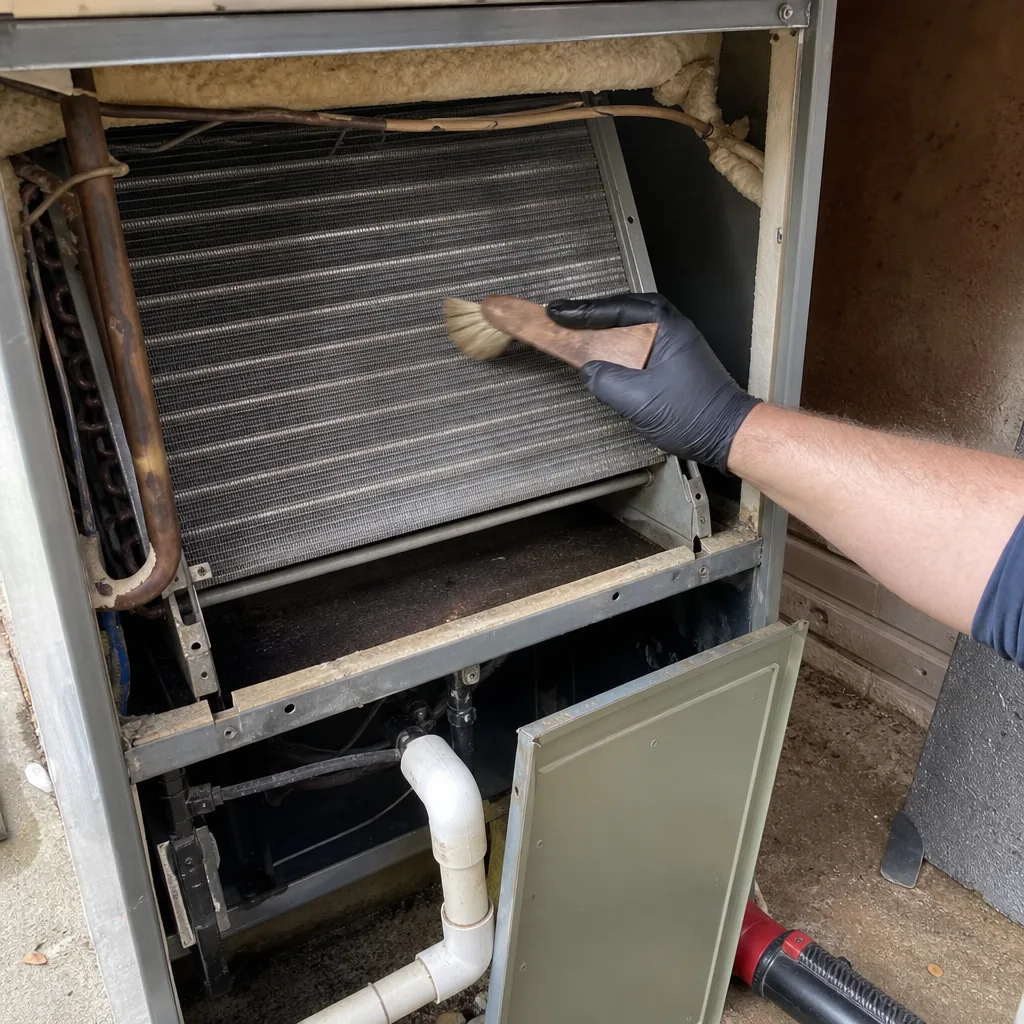
What trips up most owners is thinking the sanitizing function is a “nice-to-have” add-on. It’s not. The vent sanitizing module is the component that actually neutralizes odor sources and microbial growth inside your ductwork after mechanical cleaning. When it underperforms, you’re paying for a cleaning that doesn’t finish the job. Omar Haddad and our crew see this regularly with units that have run 400+ cycles in Georgia humidity, where internal seals dry out faster than the national average.
Key takeaways:
- We stock Nikro-compatible sanitizing modules, reservoir assemblies, nozzles, and pump rebuild kits on the truck
- Most vent sanitizing replacements in Marietta run $285 to $540 installed, parts and labor together
- You’ll get a written price before we touch your equipment, and the work is covered by our 365-Day Done Right Promise
- We’re an independent service provider, not affiliated with Nikro, so we can recommend OEM or quality aftermarket parts based on what actually makes sense for your unit’s age
Which Nikro Models This Applies To
Nikro’s vent sanitizing components show up across several of their HEPA vacuum and IAQ treatment systems, but the compatibility details matter more than most owners expect. The sanitizing module on Nikro’s duct cleaning and air wash systems typically integrates with their negative-air designs through a bayonet-style or threaded injection port. If you’re not sure which generation you have, look at the data plate near the power connection: units with serial numbers starting in “WS” use the quick-connect sanitizer port, while earlier “SA” series units use a threaded brass fitting that requires an adapter when upgrading to current-spec nozzles.
That adapter requirement is the single biggest compatibility gotcha we run into in Marietta. A newer OEM sanitizing module will not seat correctly on an older SA-series port without a $35 adapter collar, and forcing the connection strips the threads. We keep those collars stocked, so if you call us at (762) 216-4075, we can tell you whether your unit needs one just from the serial number.
On the OEM versus aftermarket question for Nikro specifically: OEM sanitizing modules run about 20-30% more than quality aftermarket equivalents, but for the pump assembly itself we lean OEM. The aftermarket pumps we’ve tested deliver the right pressure but can fail to trigger Nikro’s low-flow sensor, which means your unit thinks it’s sanitizing when it isn’t. For nozzles, gaskets, and reservoir assemblies, well-made aftermarket parts are functionally identical and save real money. We’ll show you both options with honest trade-offs, not a sales pitch.
Styles & brands we work with
Signs Your Nikro Vent Sanitizing Is Failing
- The unit cycles on but produces no visible mist output. This almost always points to a clogged nozzle or a failed pump diaphragm. In Georgia, the culprit is often mineral buildup from hard water mixing with sanitizing solution, which narrows the nozzle aperture until flow stops entirely.
- Reservoir level drops when the unit is off. Internal seal failure lets sanitizing solution siphon out through the injection line. You’ll see staining or residue around the reservoir base, and the fix is a full seal and gasket kit, not just topping off the tank.
- Intermittent flow that stops mid-cycle. A weak pump or a cracked internal check valve loses prime under heat. We see this most often on units that have been stored in unconditioned garages during Marietta summers, where interior temps swing from 55 to 95 degrees and plastics expand and contract enough to compromise seating surfaces.
- Weak or sputtering output with normal reservoir levels. The pickup tube inside the reservoir has likely developed a hairline crack, drawing in air along with the solution. It’s a $20 part and a 10-minute fix, but if ignored it overworks the pump until that fails too, at which point you’re replacing the whole module.
- Sanitizing solution leaking from the connection joint. The O-rings at the quick-connect or threaded port flatten over time. After roughly 500 connect-disconnect cycles, which is about two years of regular use for an active cleaning company or around five years for a homeowner unit, they lose their seal and need replacement.
See the difference
 Before
 After
After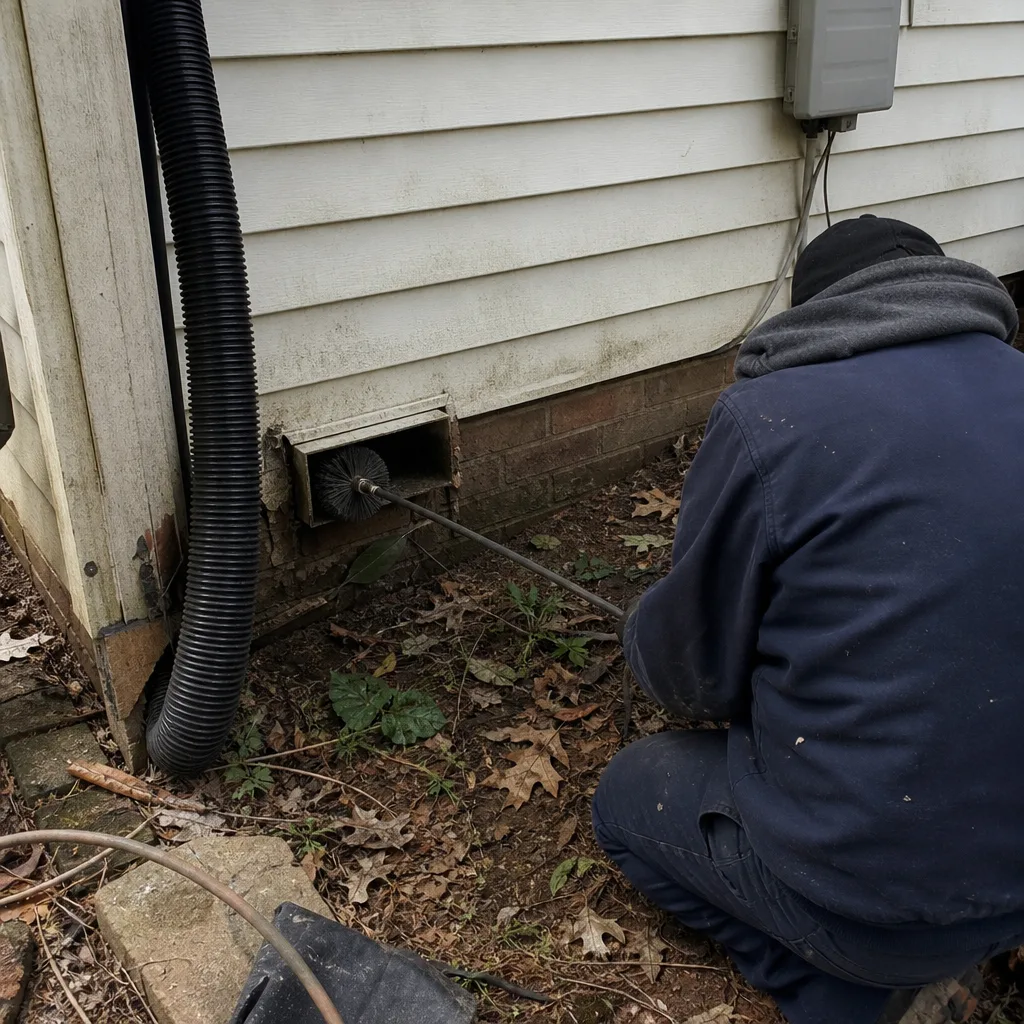 Before
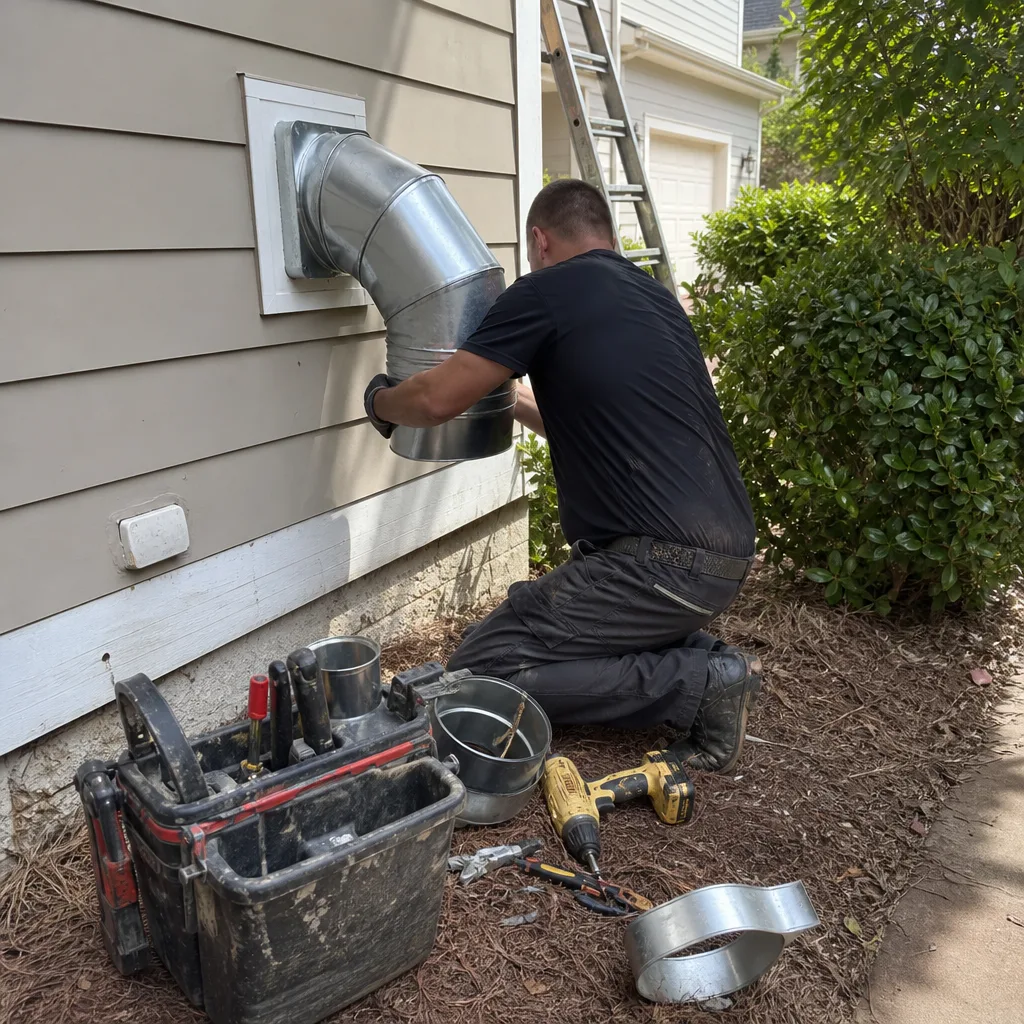 After
After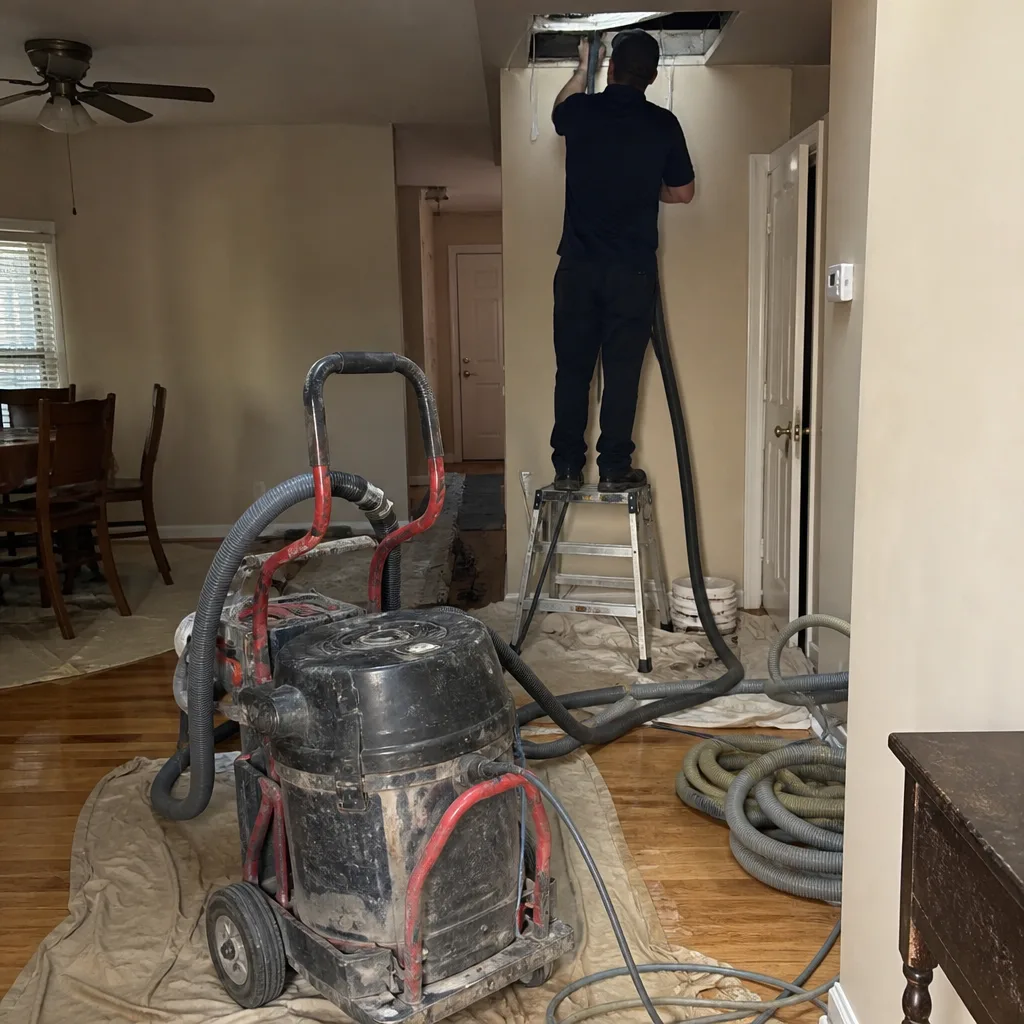 Before
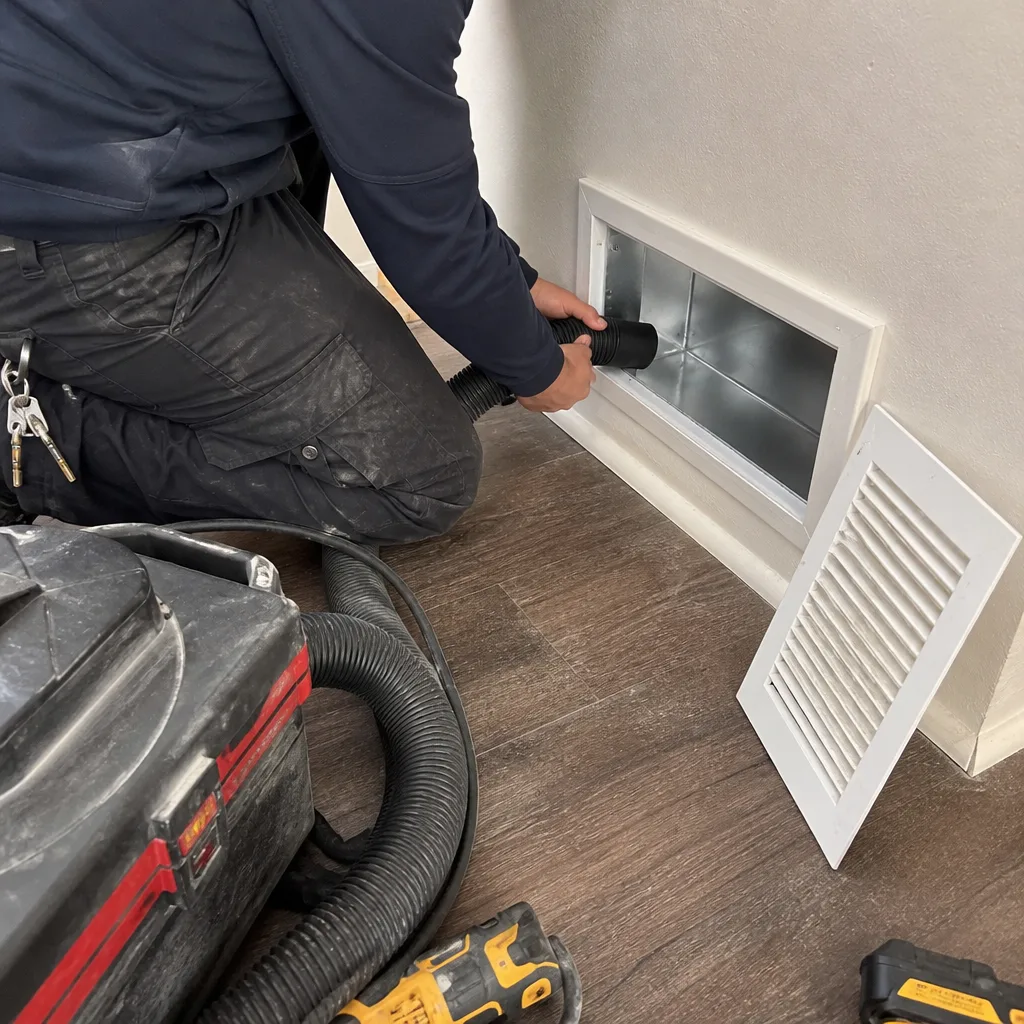 After
AfterReplacement Cost & What’s Included
For Marietta homeowners and small operators, a complete Nikro-compatible vent sanitizing module replacement typically runs $380 to $540 installed. If only the pump rebuild kit or nozzle assembly is needed, you’re looking at $285 to $370. The range comes down to three factors: whether your unit is the quick-connect or older threaded style, whether we’re doing a module swap or just a component repair, and whether OEM or quality aftermarket parts make sense for your unit’s remaining service life.
Every quote includes the parts, labor, testing under load, and disposal of the failed components. You’ll get a written price before we start, never after. If the replacement fails within 365 days, we return and make it right at no charge, full stop. That’s our 365-Day Done Right Promise and it applies to every vent sanitizing replacement we do in Marietta.
We don’t do per-vent pricing, teaser coupons, or a low number that magically grows once we’re at your door. The price we hand you is the price you pay.
DIY or Call Us?
Here’s the honest split. You can safely check the visible basics yourself: confirm the reservoir has solution, inspect the nozzle for obvious crusting, and check that the quick-connect fitting is seated flush. Cleaning the exterior nozzle with warm water is fine. If those checks don’t restore function, stop there.
Opening the pump housing on a Nikro sanitizing module means dealing with line voltage wiring and compressed seals that, once broken, may not reseat without a torque driver and fresh gaskets. If you force the housing clamp or pinch a seal during reassembly, you’ll create a leak path that can drip sanitizing solution into the unit’s electrical compartment. That’s the kind of repair that turns a $300 pump issue into a $900 board replacement. For anything beyond the reservoir and nozzle checks, call us at (762) 216-4075 and we’ll sort it out the first trip.
We carry the Nikro-compatible parts on the truck, so we diagnose and fix in one visit more than 90% of the time.
FAQs
In the Marietta climate, a properly maintained Nikro vent sanitizing module typically lasts 5 to 7 years for homeowner use and 2 to 3 years for commercial cleaning frequency. Georgia’s humidity accelerates internal seal degradation, which is the most common failure point before the pump itself gives out.
Not sure of your unit’s age? Call (762) 216-4075 with the serial number and we’ll tell you what to expect from it.
Yes, in most cases a failing module can be repaired with a pump rebuild kit, nozzle replacement, or seal and gasket set, and that runs less than a full module swap. We’ll recommend repair when the housing and sensor are still in good shape, and replacement when the cost to repair exceeds about 60% of a new module’s price.
Either way, you get the same 365-Day Done Right Promise and the same written quote before we open up the unit.
A nozzle or O-ring replacement takes about 15 minutes, while a full module or pump rebuild takes 45 to 90 minutes depending on your unit’s access and generation. Most jobs are done in a single visit because we keep the common Nikro parts stocked in the truck.
Want a specific window? Call us and we’ll give you one, not a four-hour range.
We stock the high-failure-rate components for Nikro’s WS-series and SA-series sanitizing systems: nozzles, O-rings, seal kits, pump rebuilds, pickup tubes, and complete modules. If your unit is an uncommon variant, we can usually source the exact part within one business day and have it installed the next.
We also stock vent sanitizing compatible parts for Lennox, Trane, and Carrier residential IAQ units, so if your system is a mixed setup, we can likely handle the whole repair in one stop.
Want an exact quote for your Nikro vent sanitizing replacement in Marietta? Call Cardinal Air Duct Marietta at (762) 216-4075 and we’ll give you a written price before any work begins. Live person, straight answer, no door-price surprises.
Written by Omar Haddad, Owner, Cardinal Air Duct Marietta at Cardinal Air Duct Marietta, serving Marietta and nearby areas.